






























Mono Amplifier
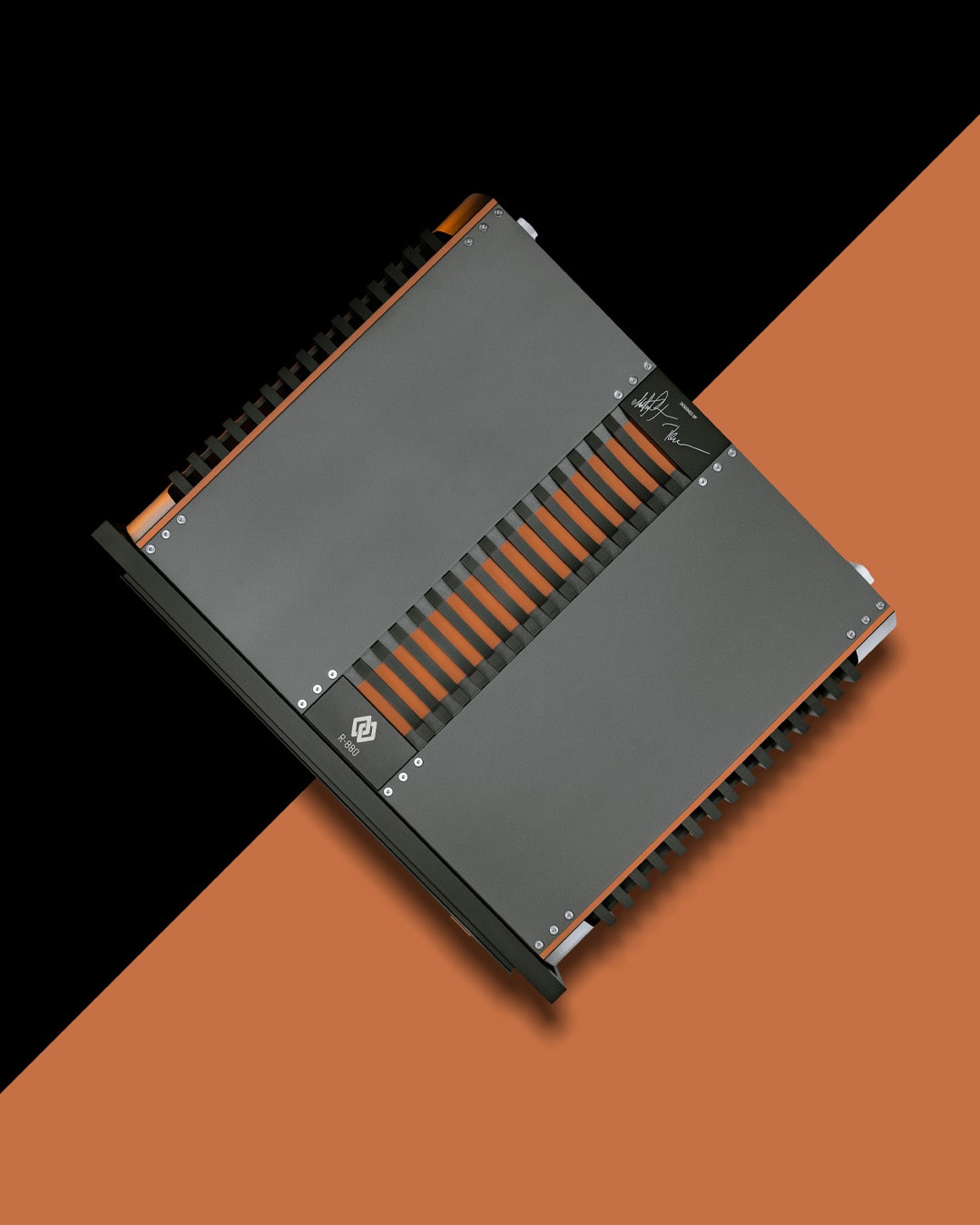
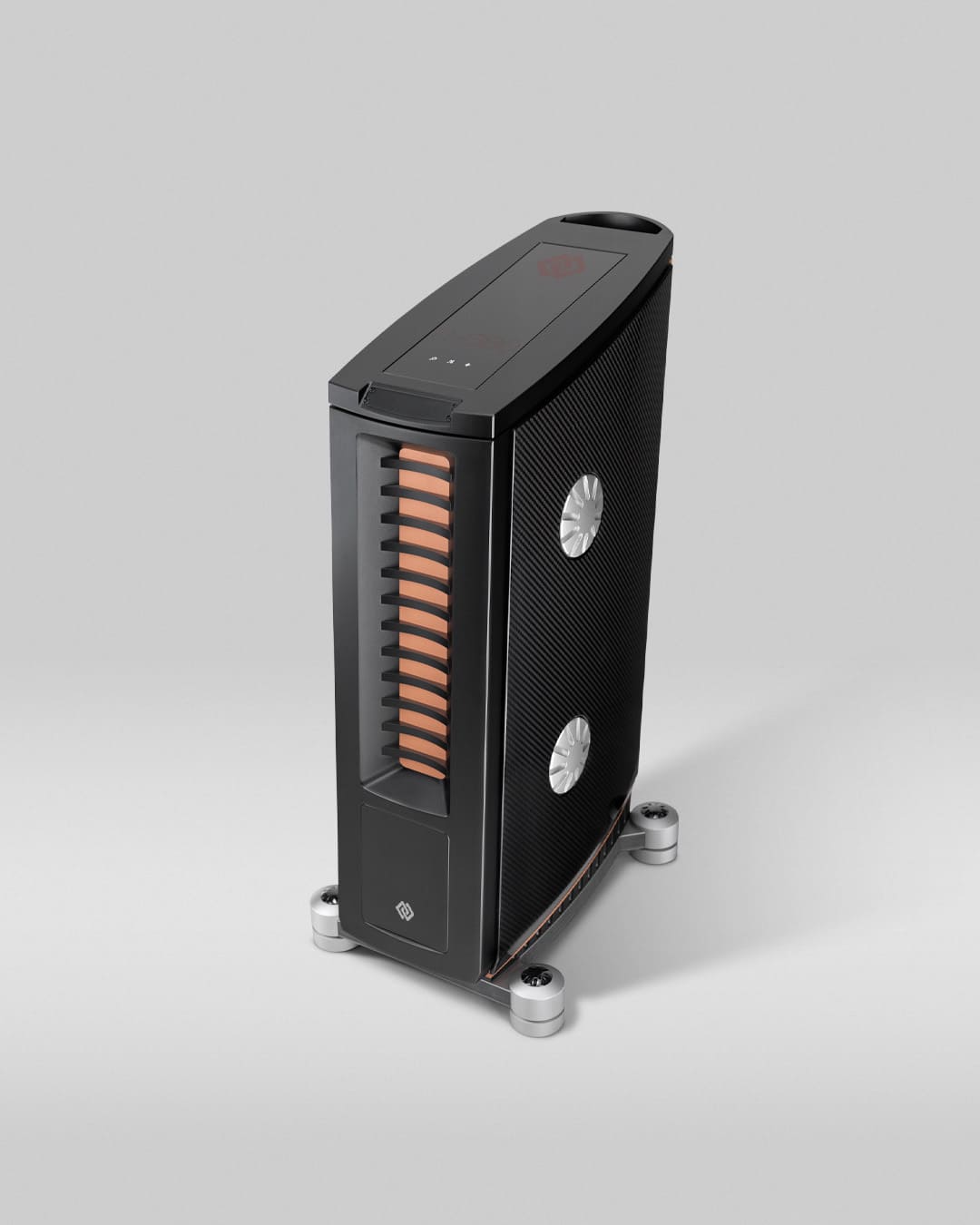
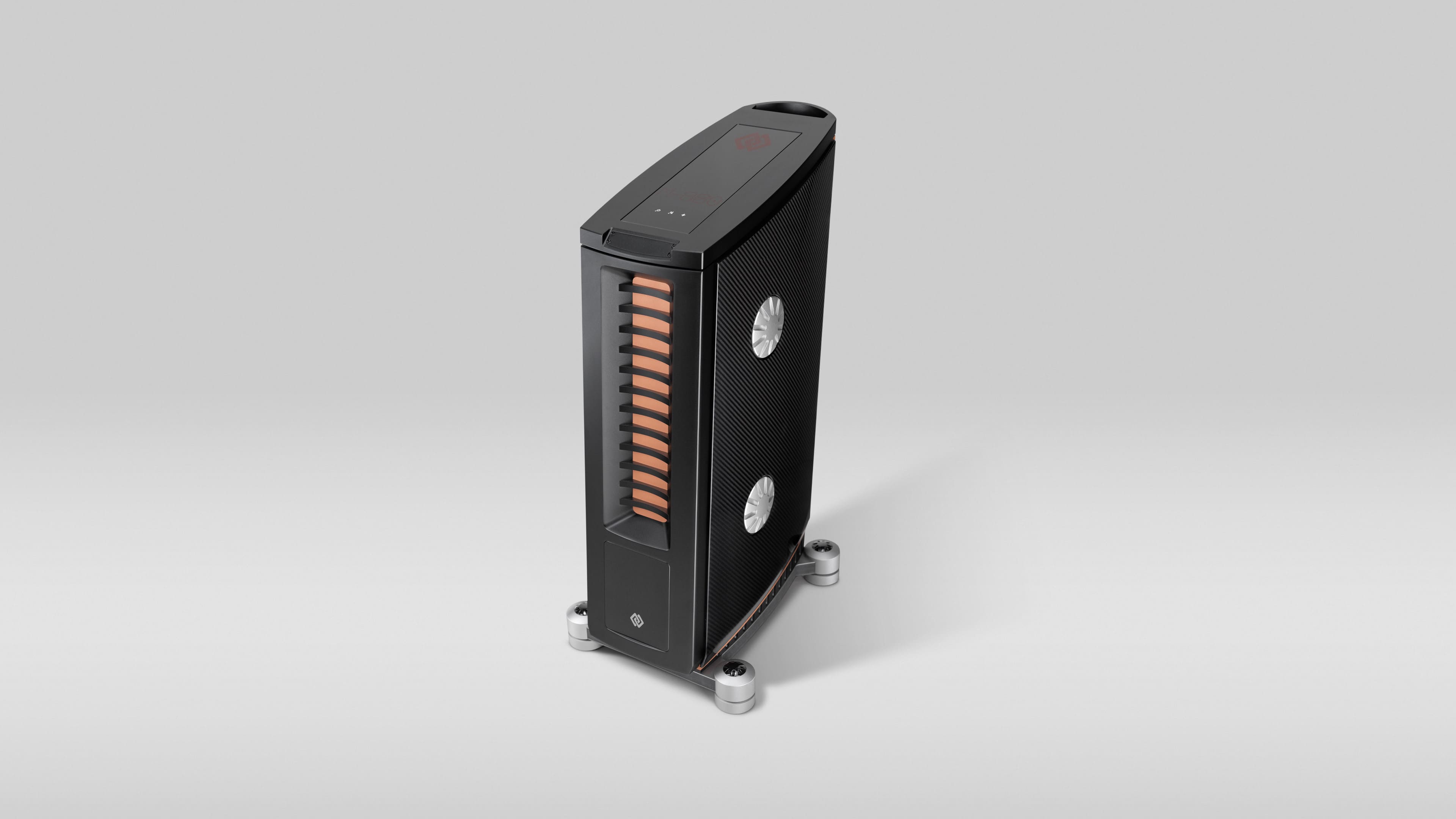
Aavik M-880
Amplification at its
highest expression
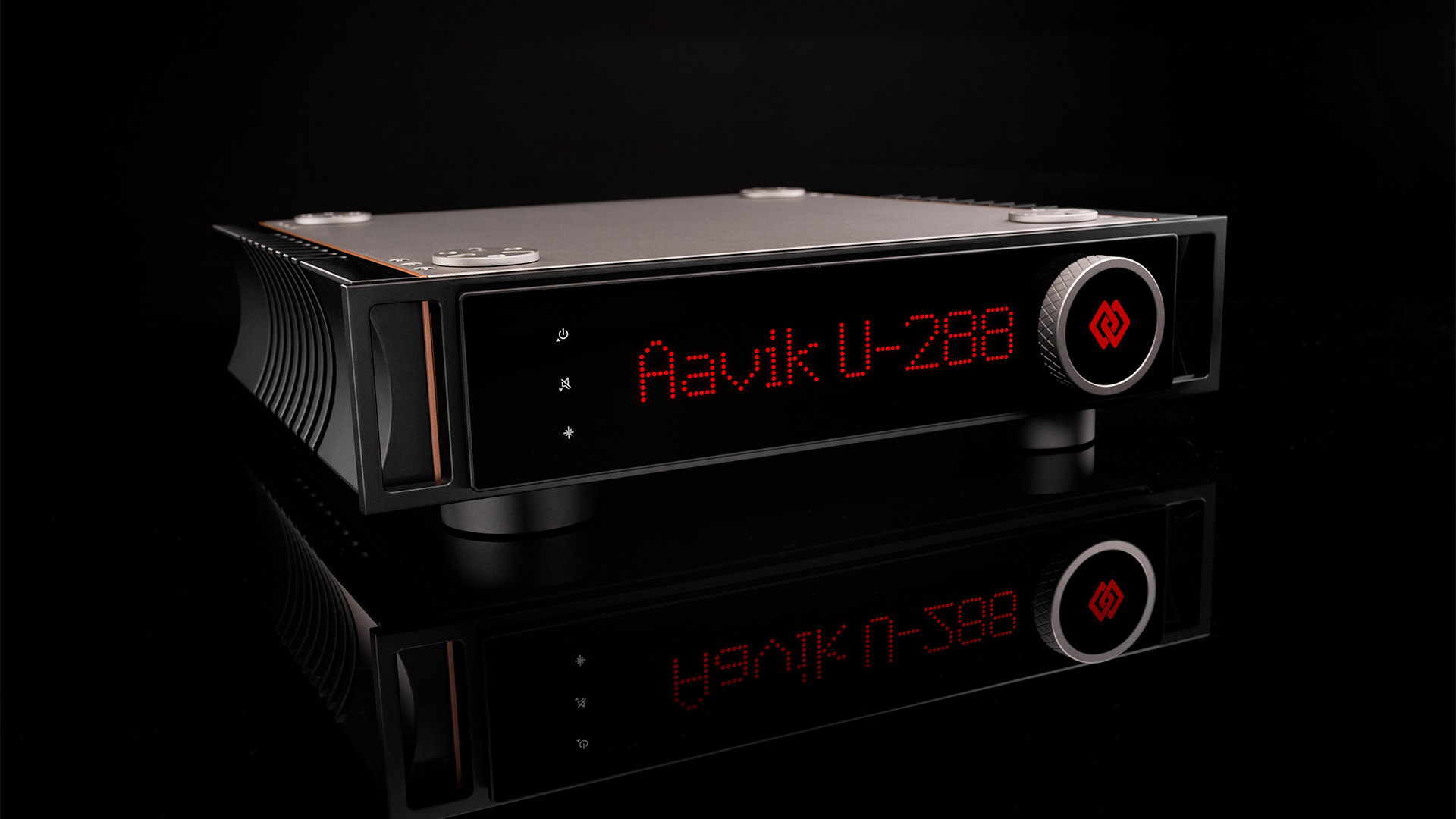
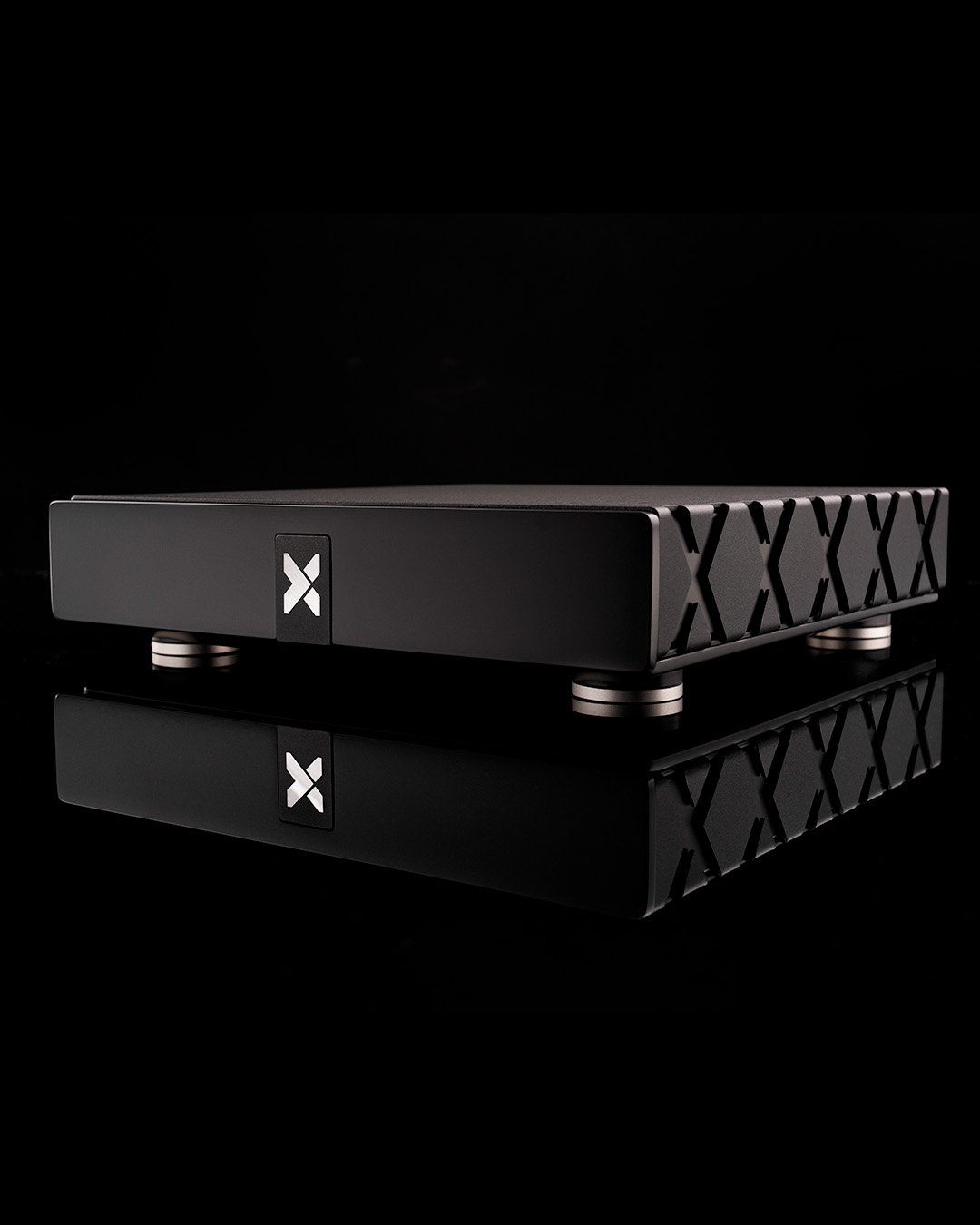
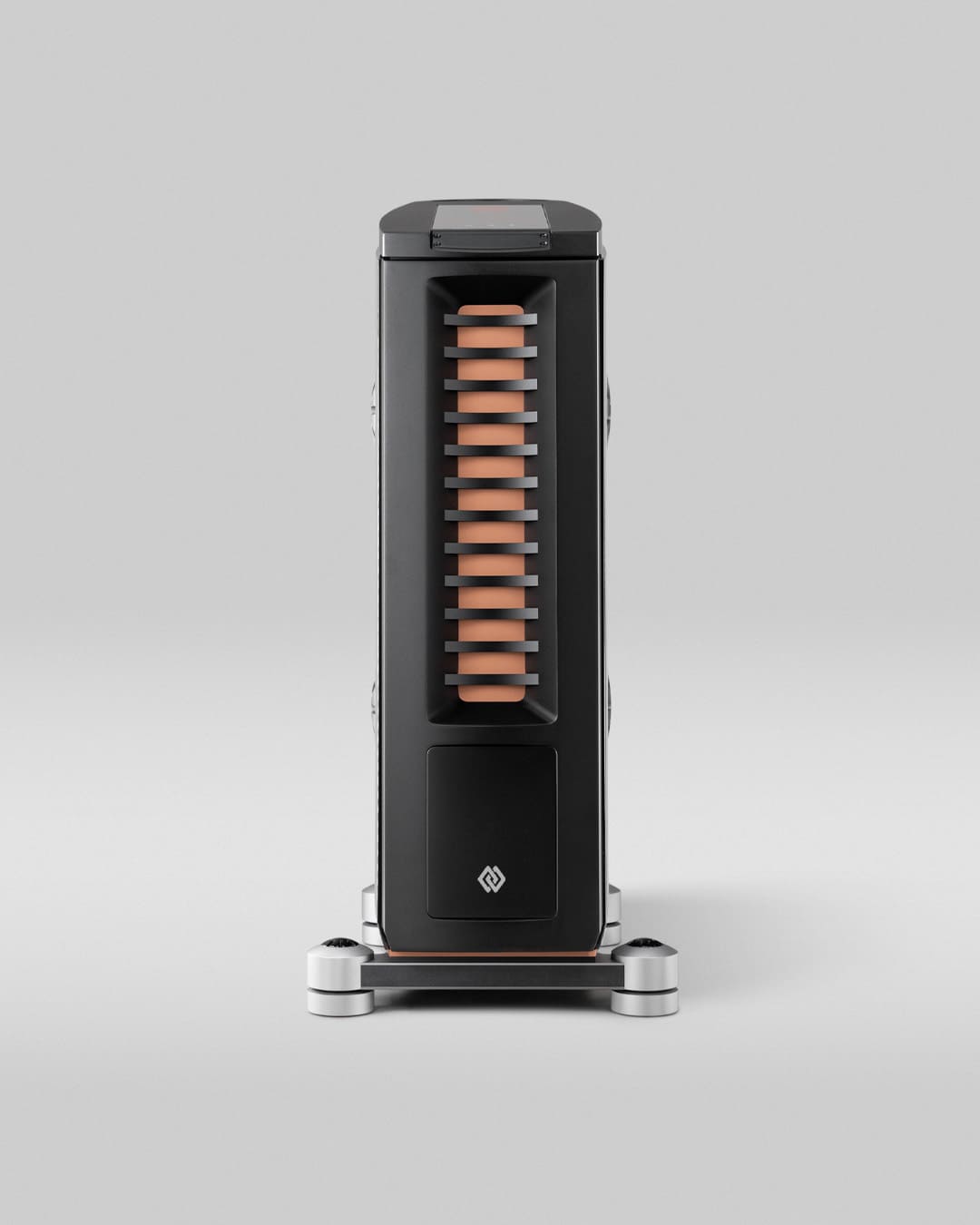
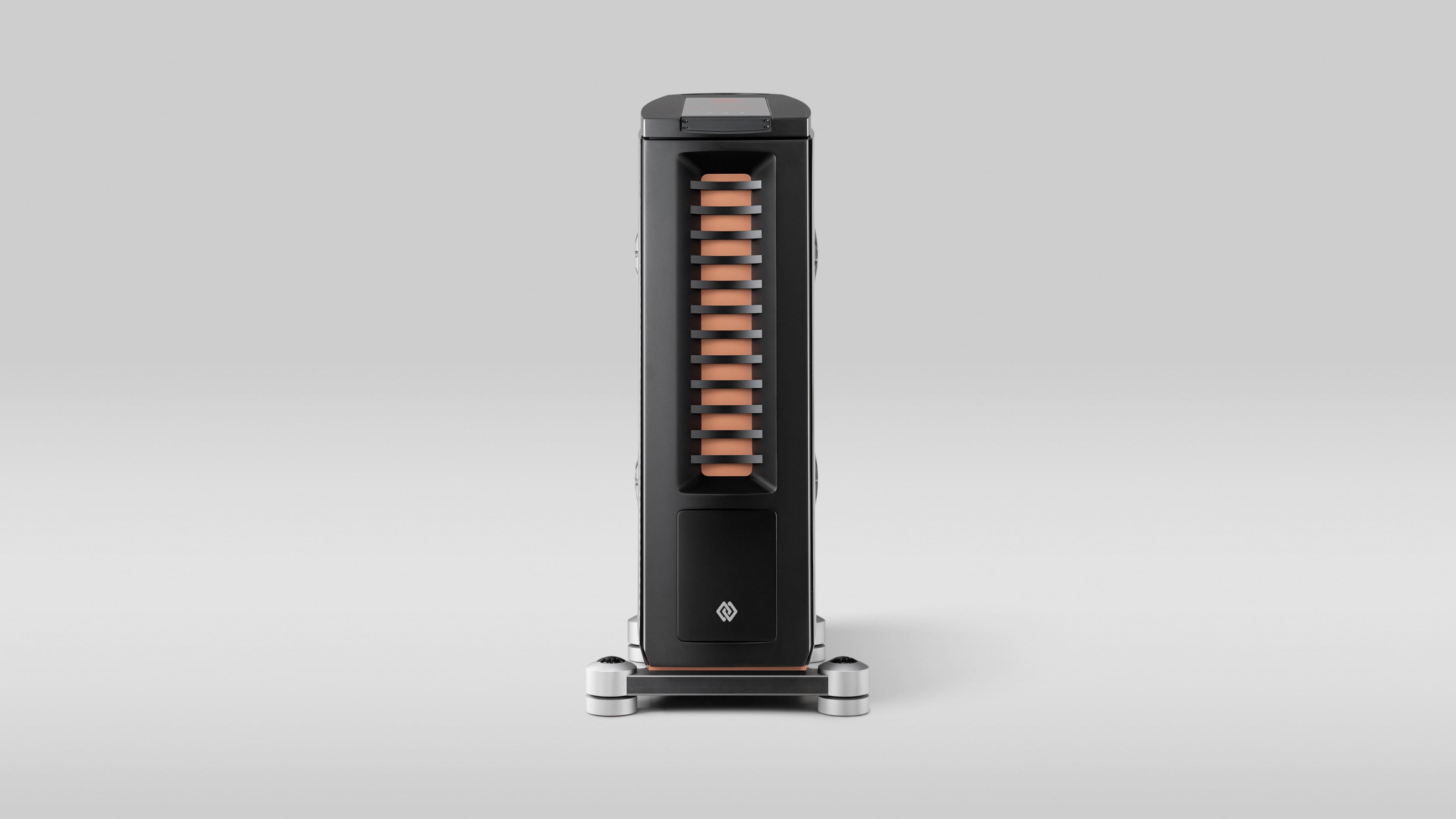
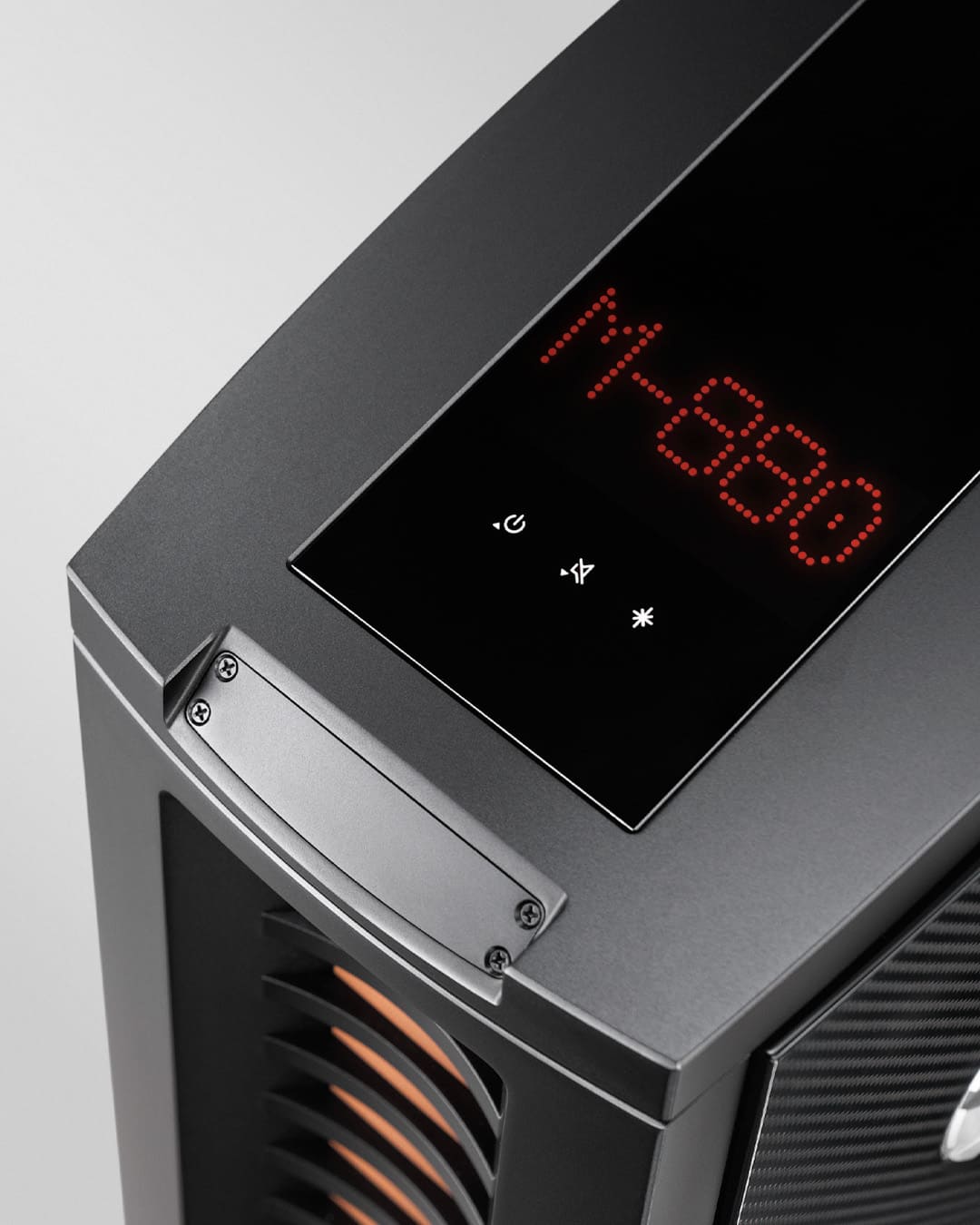
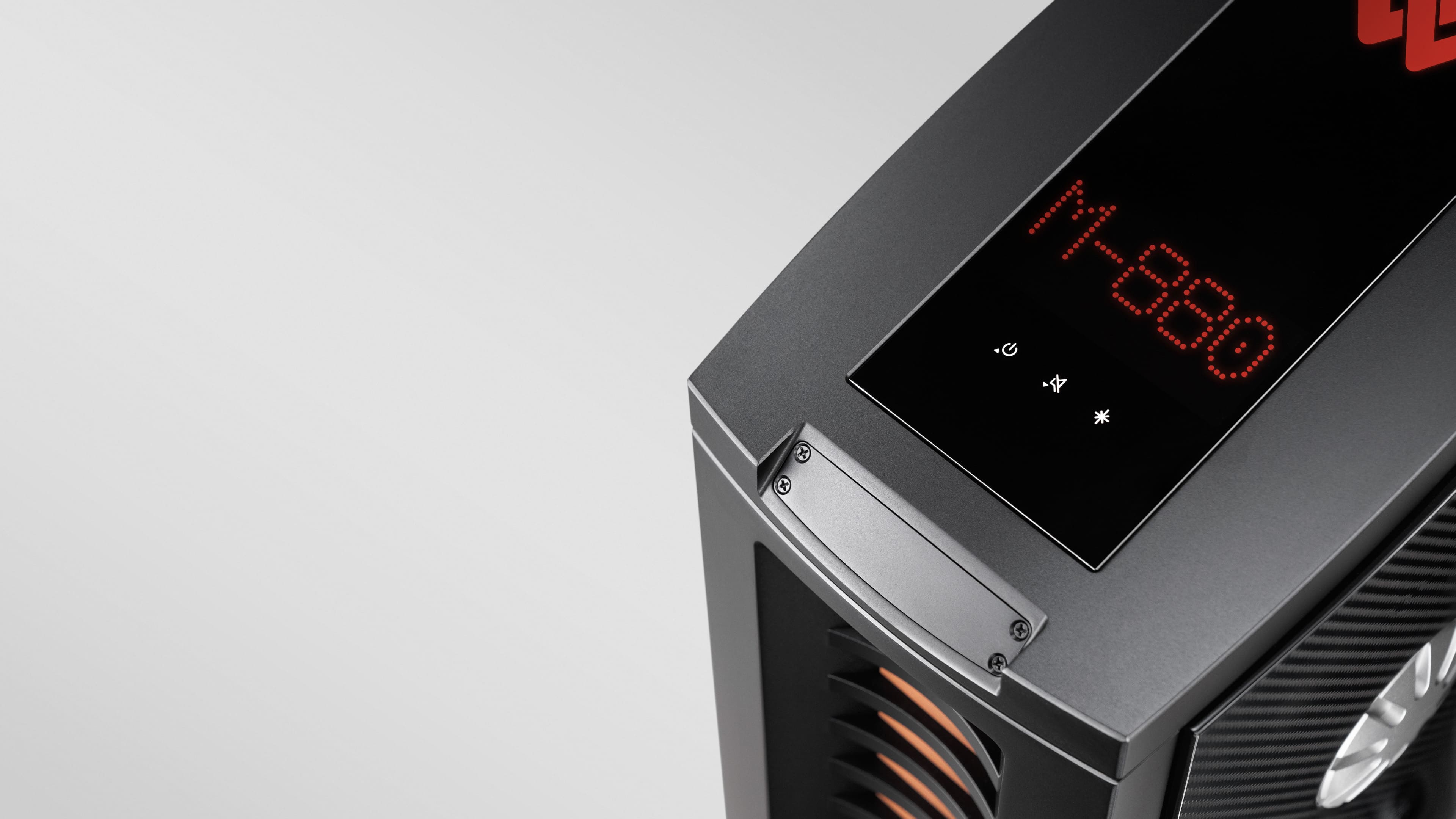
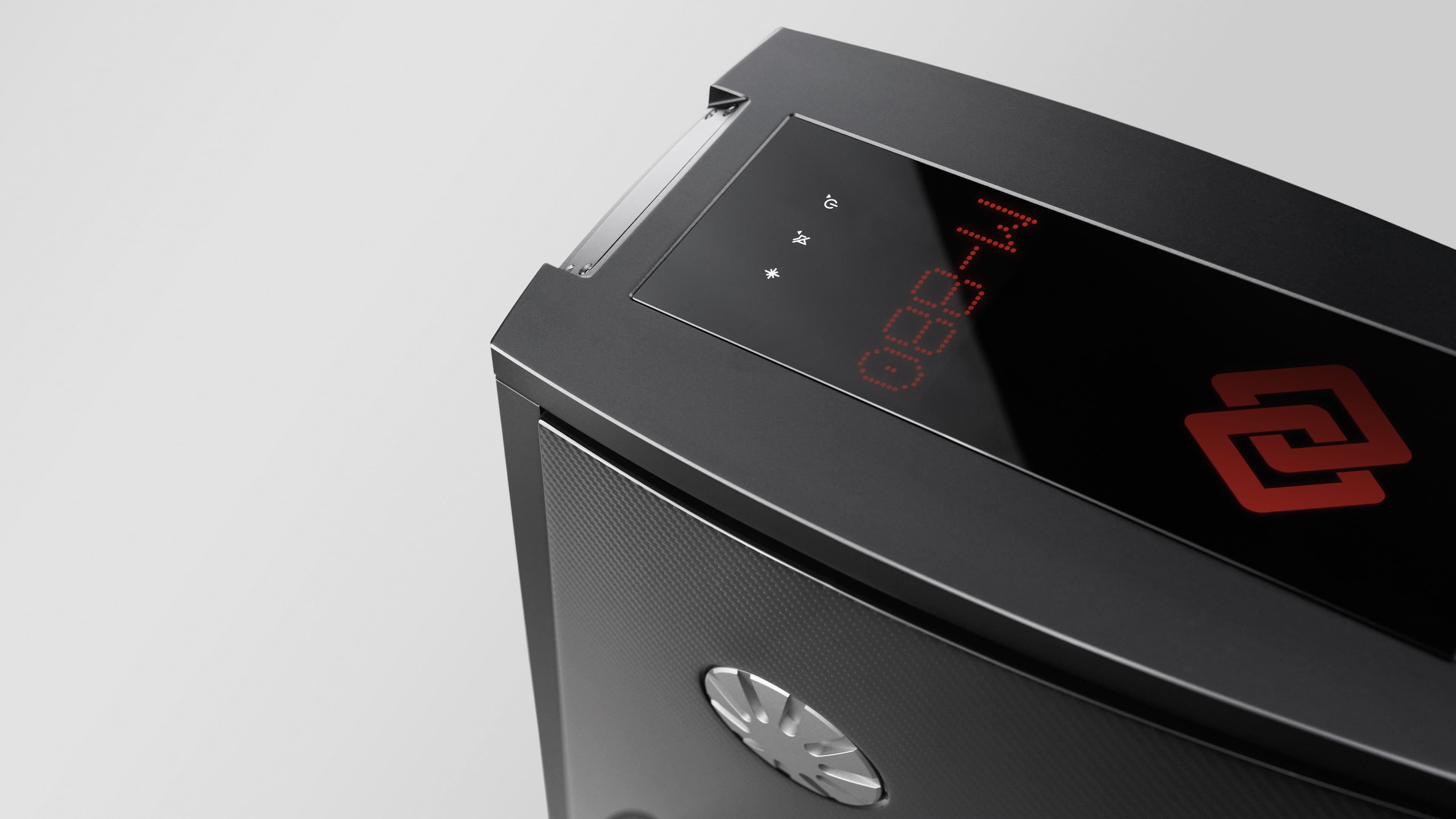
The Aavik M-880 is the most advanced and uncompromising expression of Aavik’s amplification philosophy to date. Developed to meet the highest demands of modern loudspeaker systems, it stands as a definitive statement of absolute control, stability, and authority.
As loudspeaker performance advanced to unprecedented levels of speed, resolution, and scale, conventional stereo amplifier architectures reached their limits. Complete channel independence, power stability, and unwavering control became essential. The M-880 answers these demands as a true mono amplifier, purpose-built for reference-level performance.
Designed as part of a complete system, the M-880 aligns amplification and loudspeaker performance as one coherent whole. It stands as the foundation upon which the most demanding loudspeaker systems can perform without limitation.
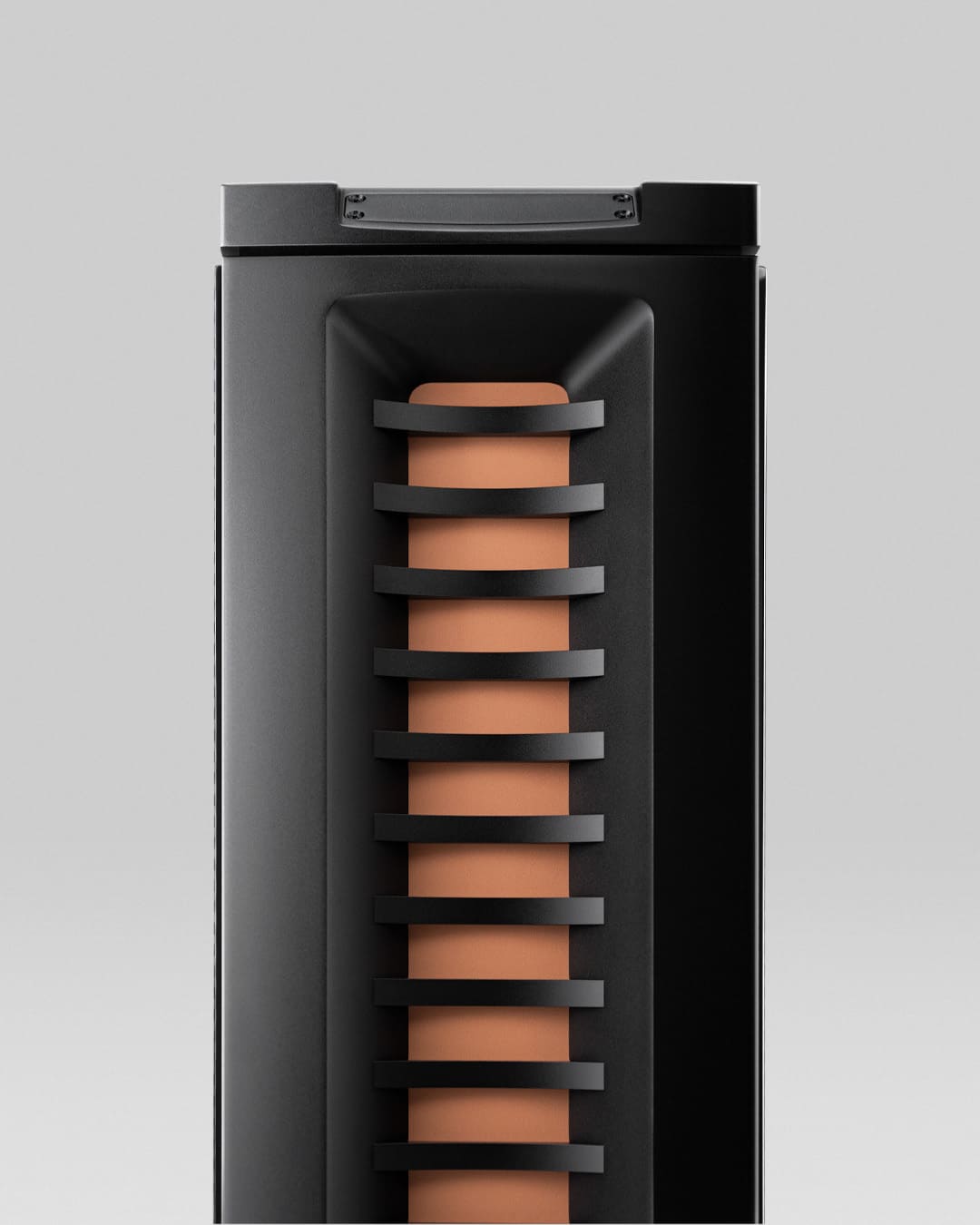
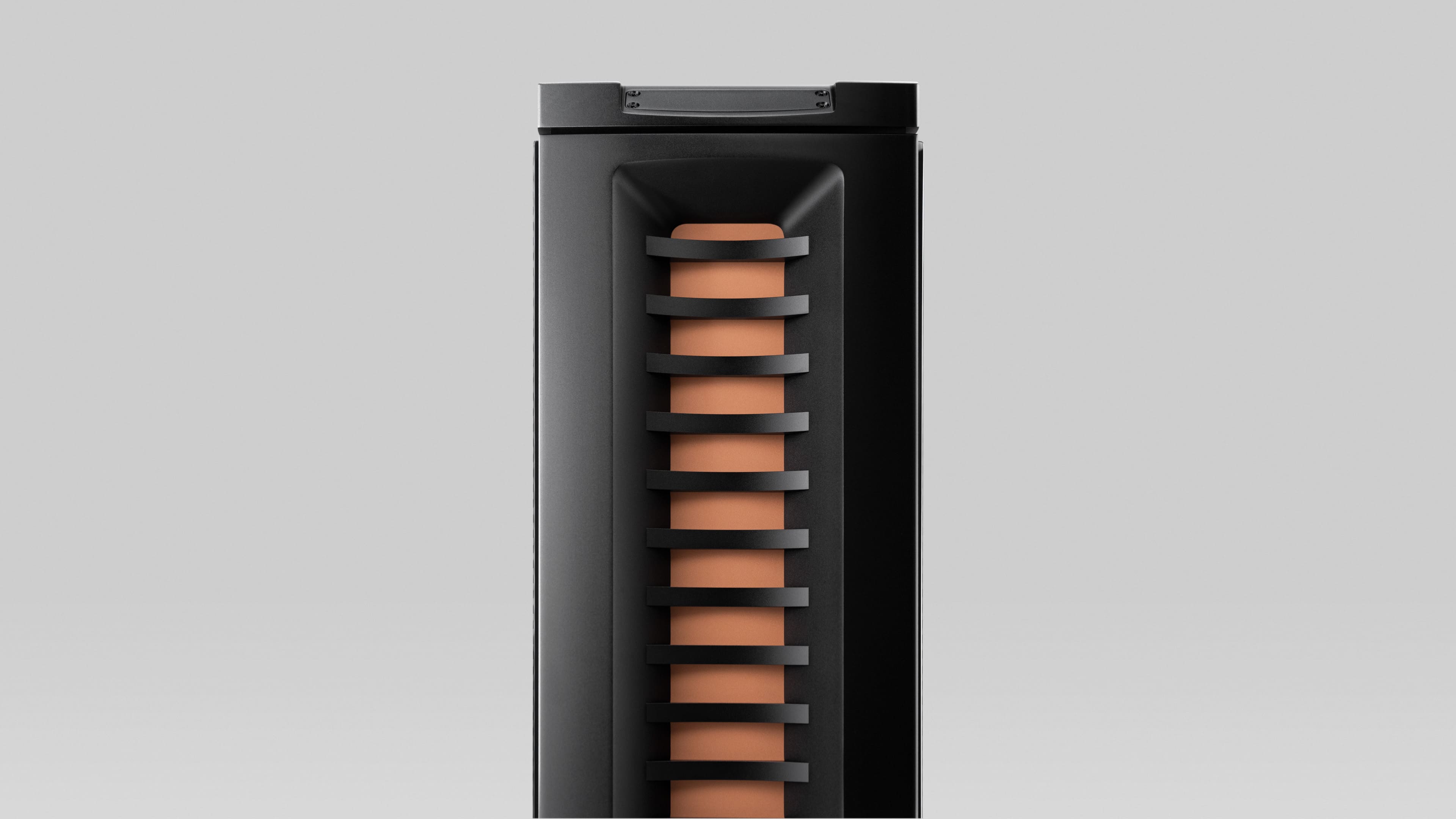
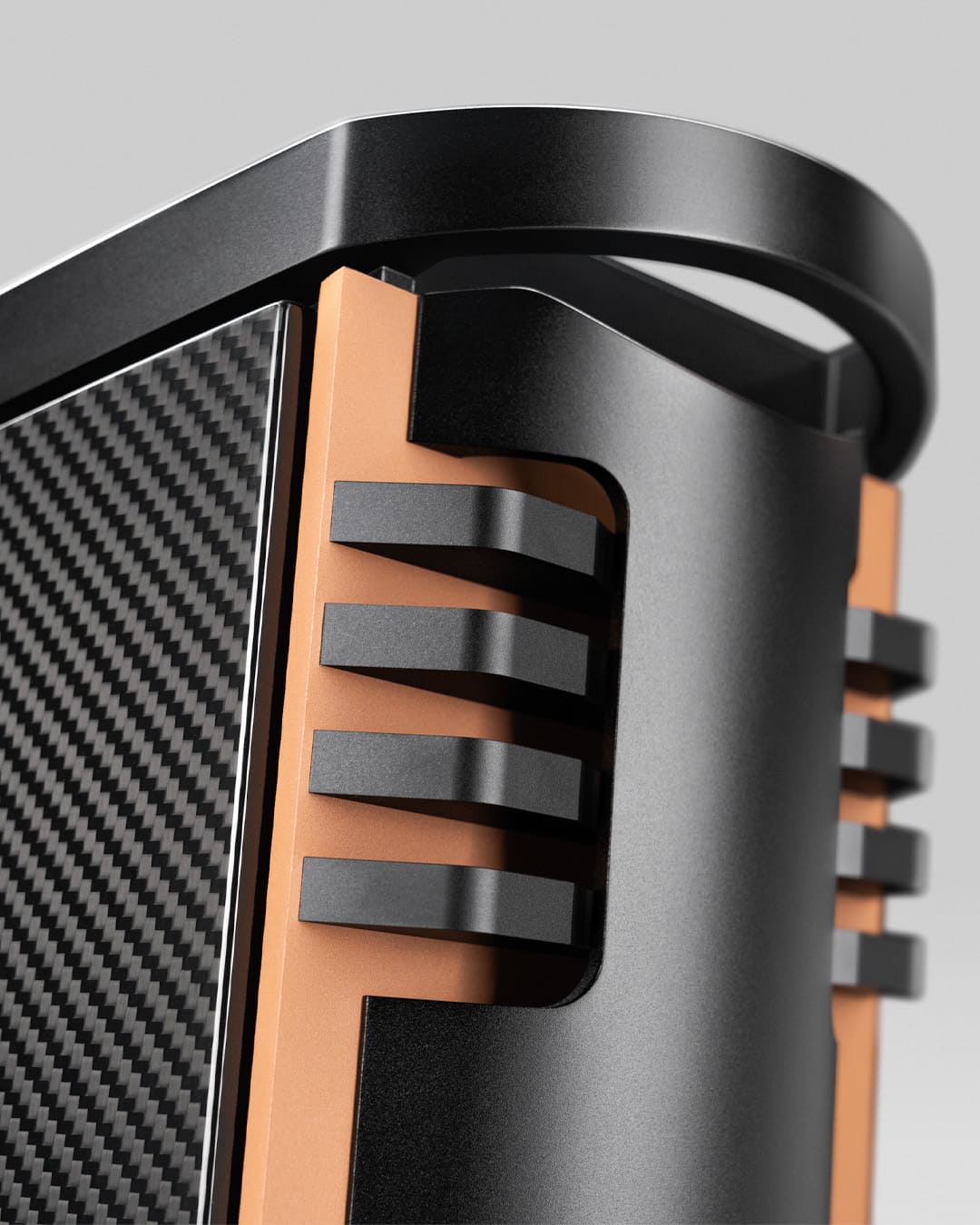
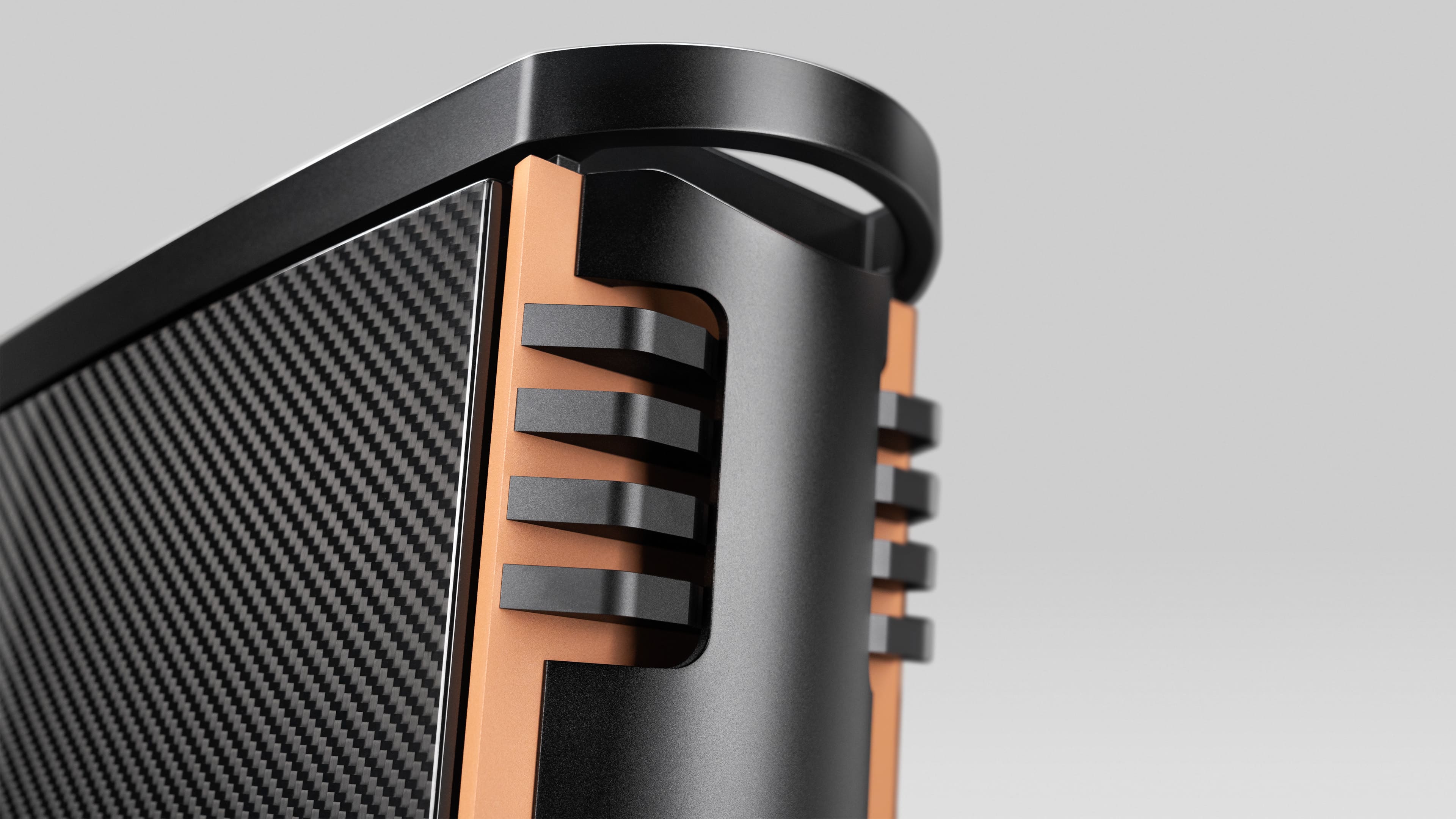
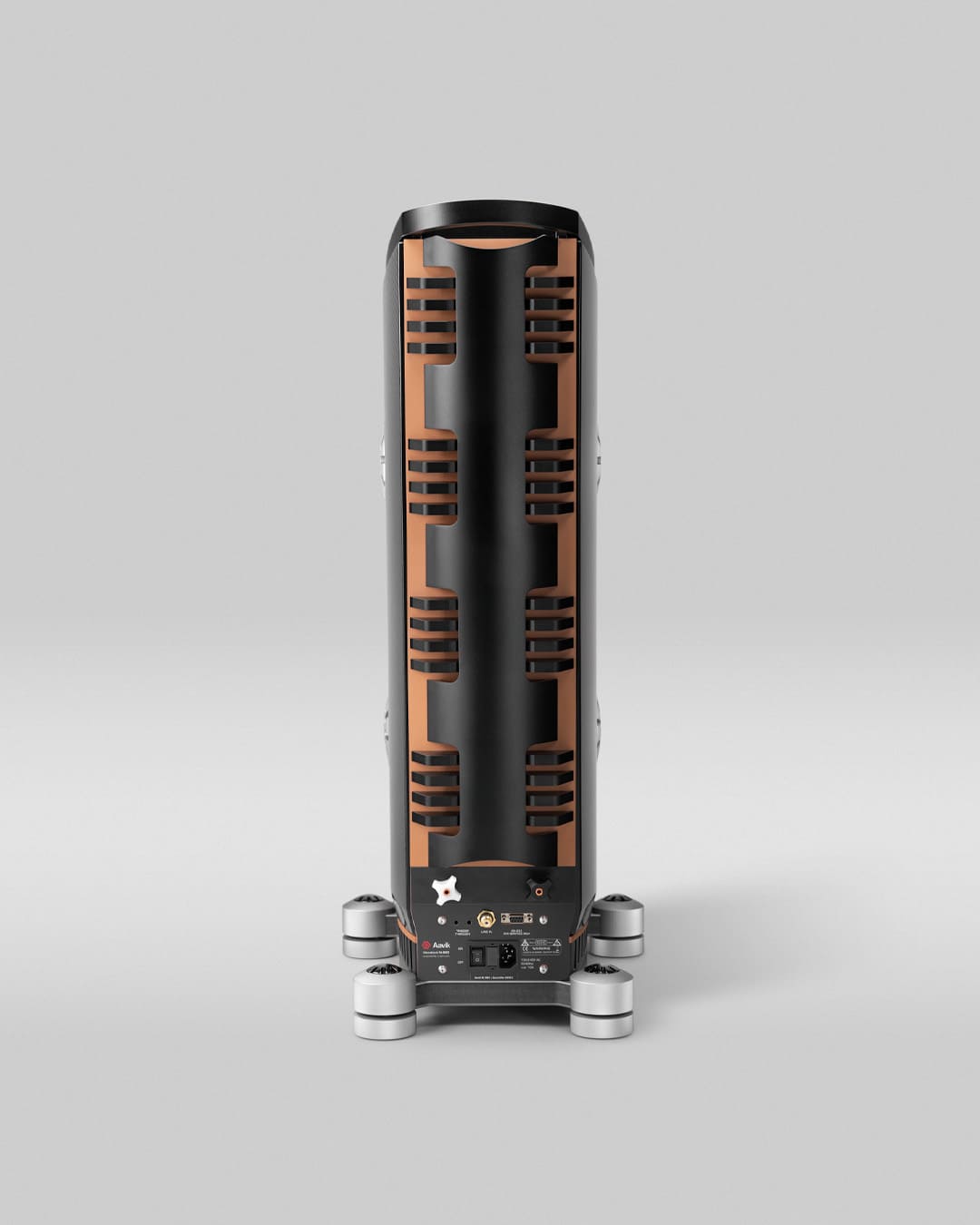
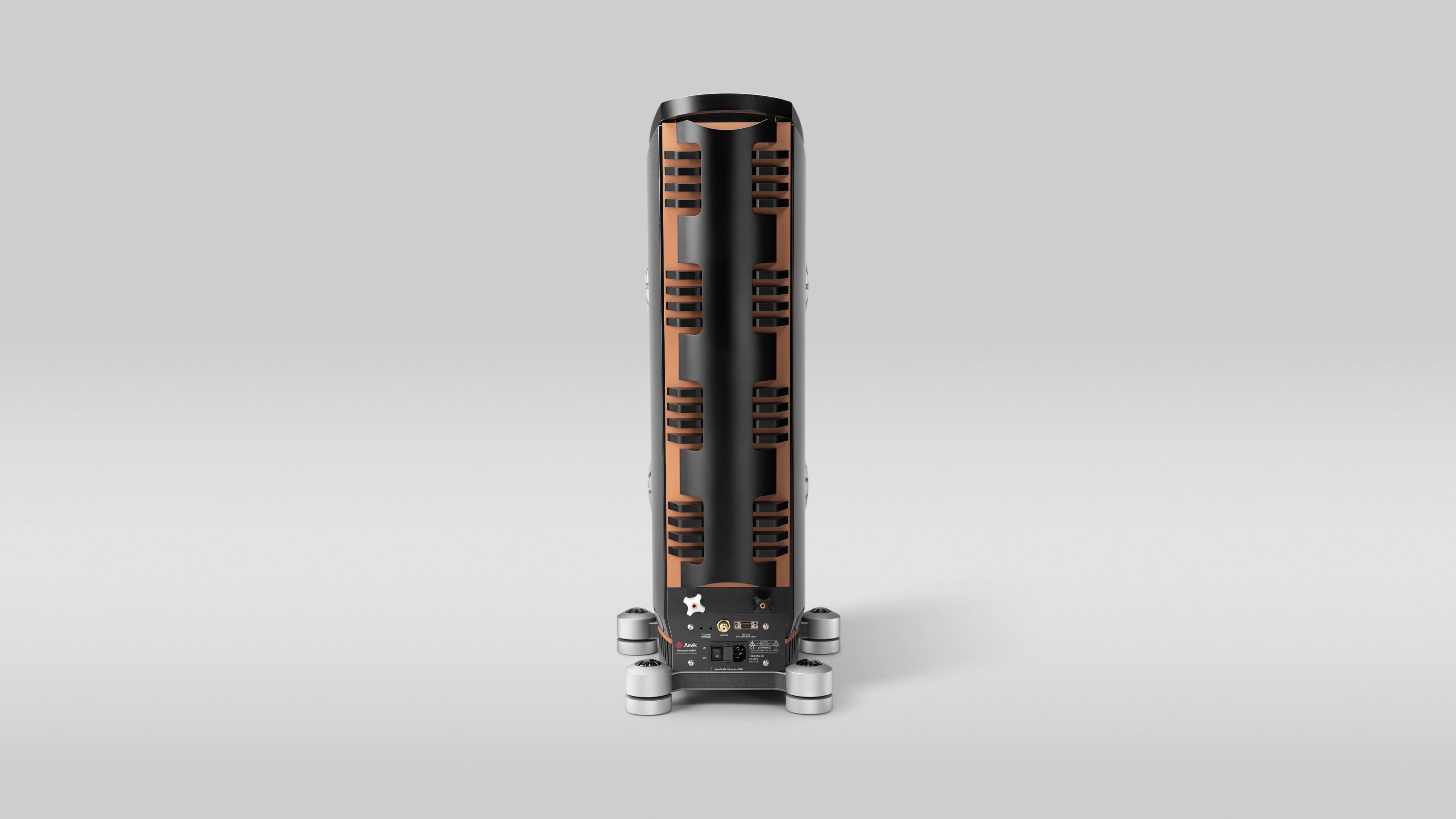
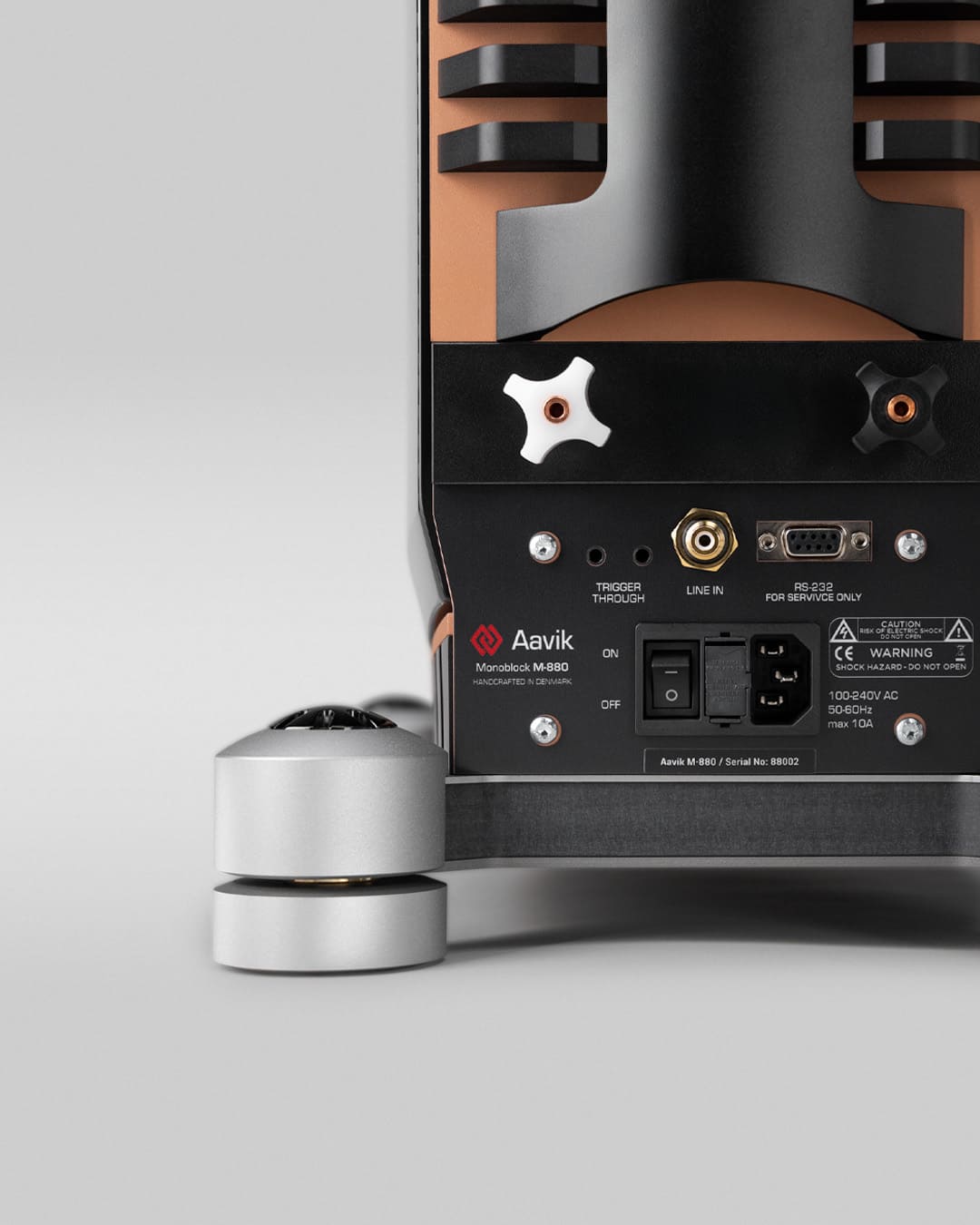
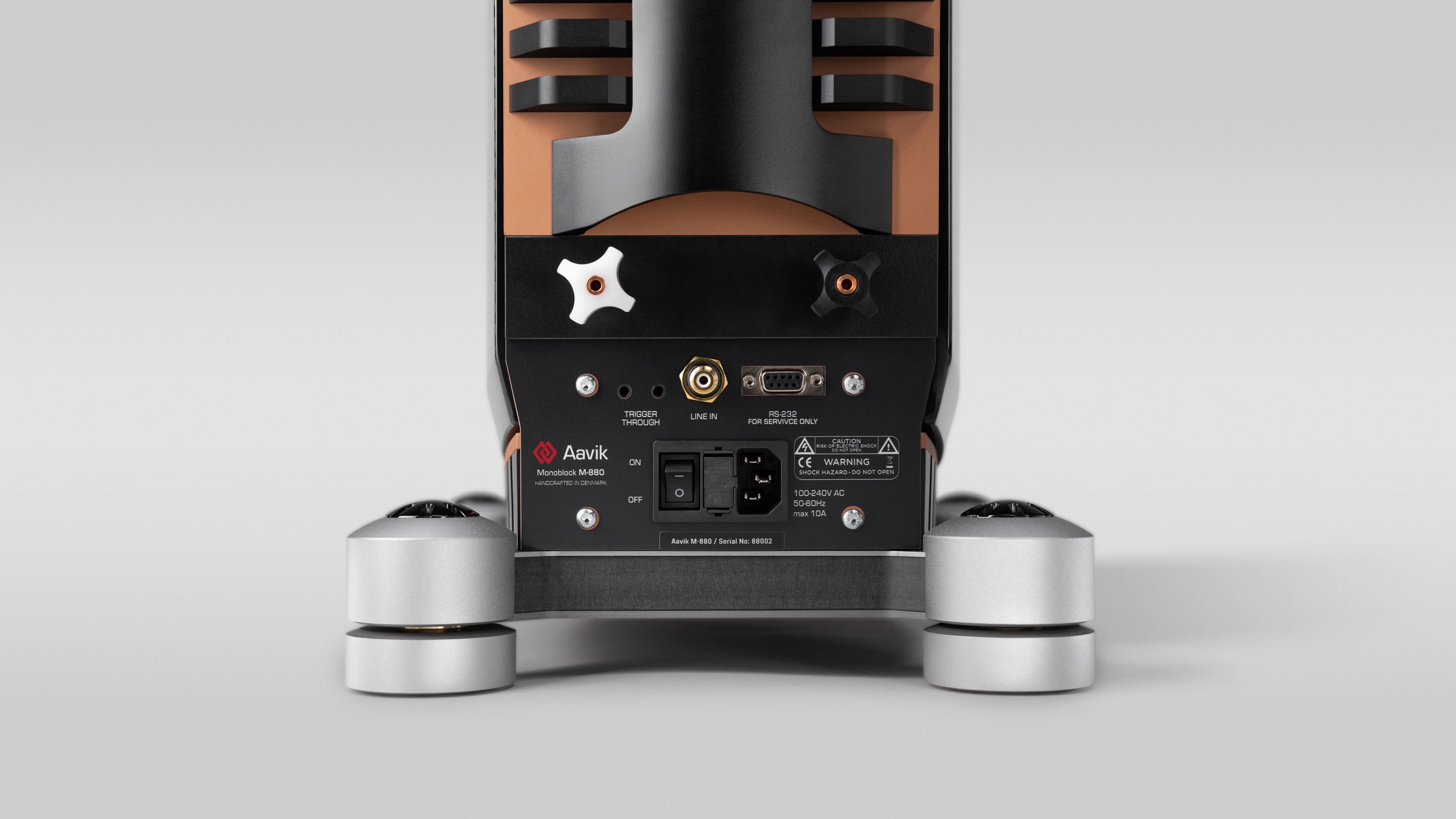
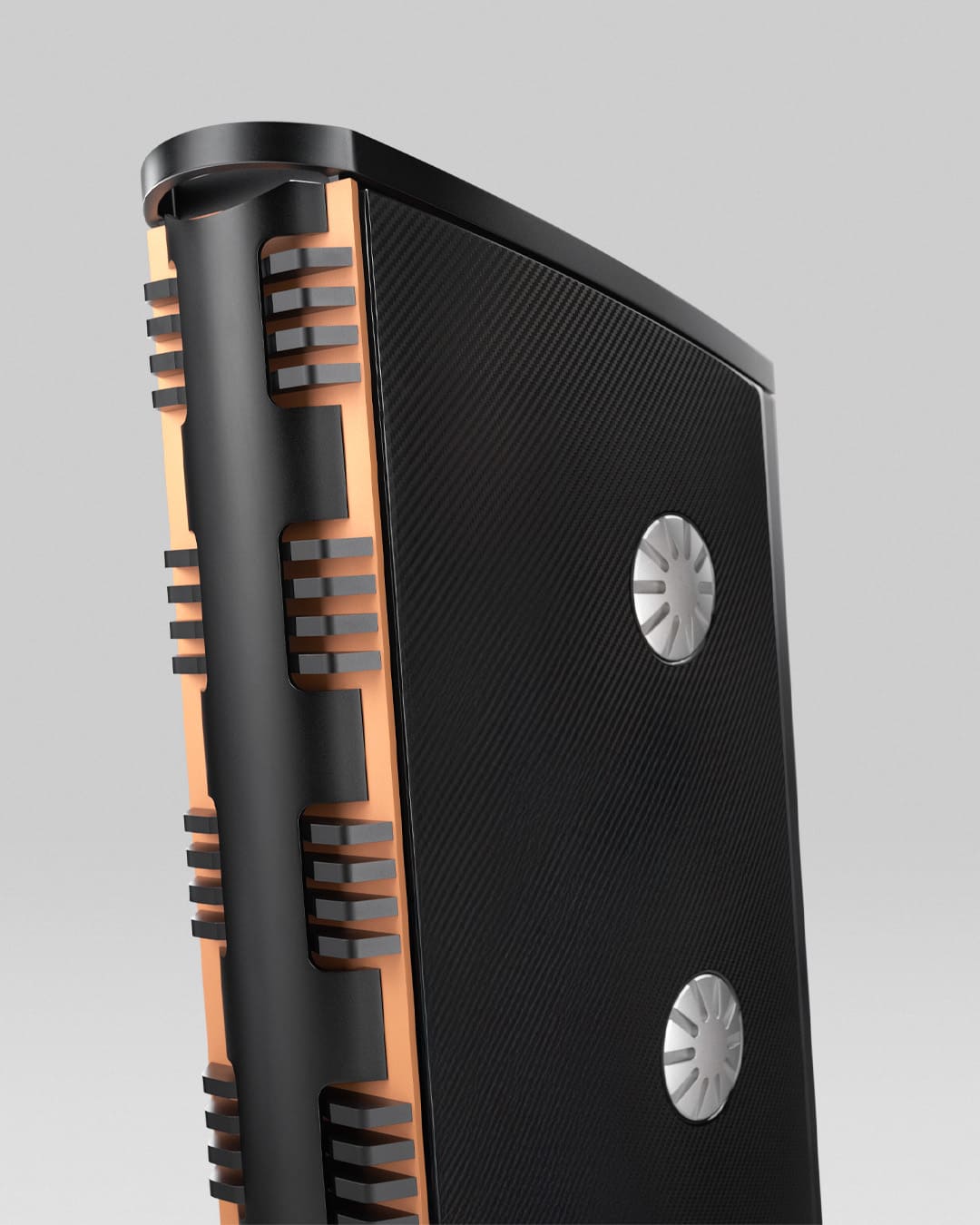
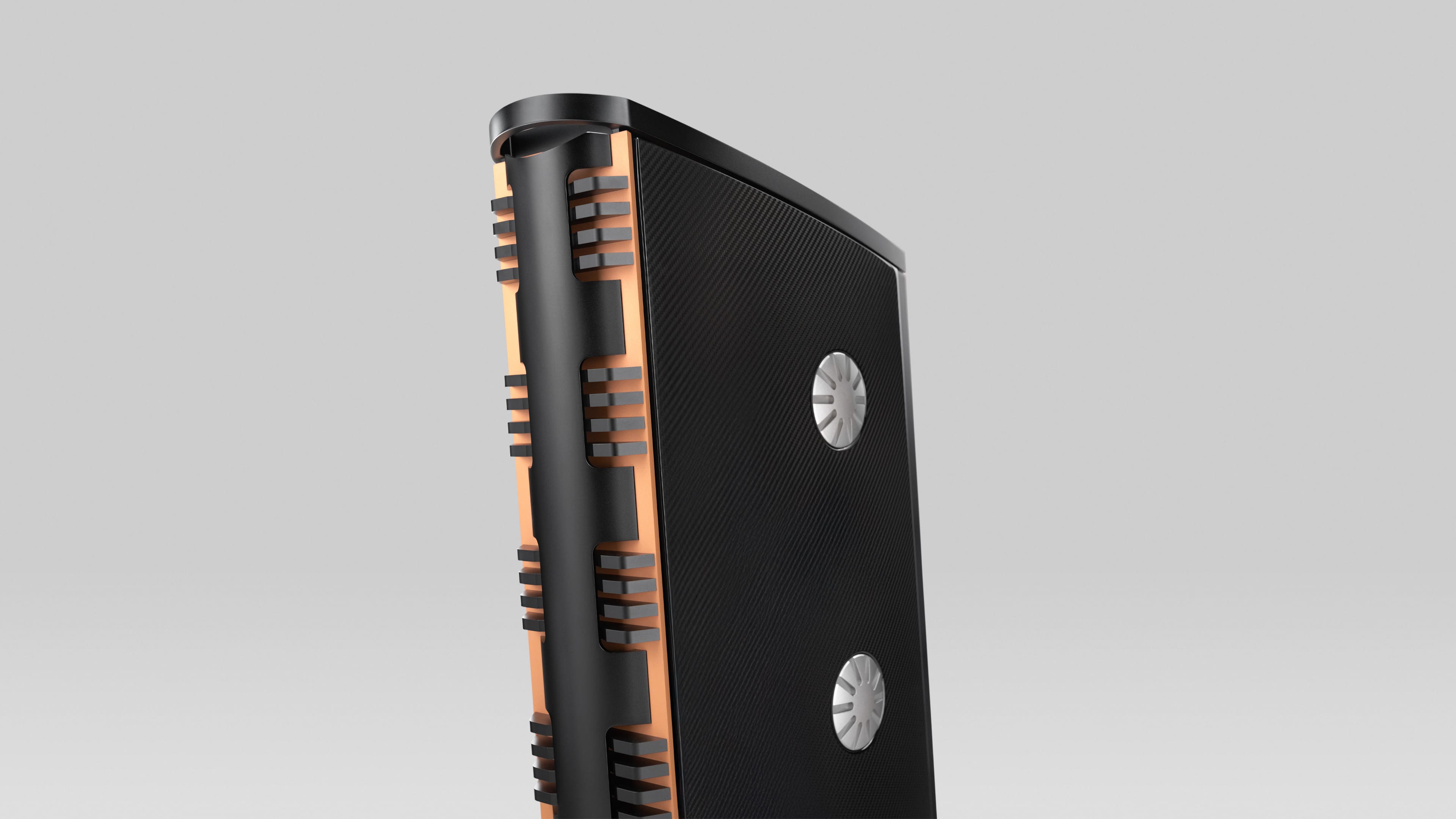
See more photos
Close
Technologies and Components
The upper tier of high-end audio often equates size and mass with performance. Aavik pursues a different approach: mechanically rigid enclosures, uncompromising noise rejection, and meticulously engineered circuit stages and power supplies—realized in a refined form that is sleek, understated, and no larger than necessary.
Building on the insight gained from the P-880, the M-880 refines and elevates the concept in a dedicated mono configuration—engineered to integrate seamlessly into modern living spaces while providing uncompromising support for loudspeakers at the highest level.
Unique Amplification Stage
Pure Class A, re-engineered for absolute control
Most amplifiers are based on Class A, Class A/B, or Class D topologies—each offering specific advantages and compromises. Class A designs are prized for their simplicity and harmonic purity, but their low efficiency typically results in excessive heat generation, requiring large enclosures and massive heatsinking.
For the M-880, Aavik set out to preserve the sonic virtues of Class A while fundamentally rethinking its implementation. The output stage is engineered to maintain a bias that remains consistently 0.63 V above the required current throughout the signal cycle. This ensures true Class A operation while dramatically reducing unnecessary power dissipation.
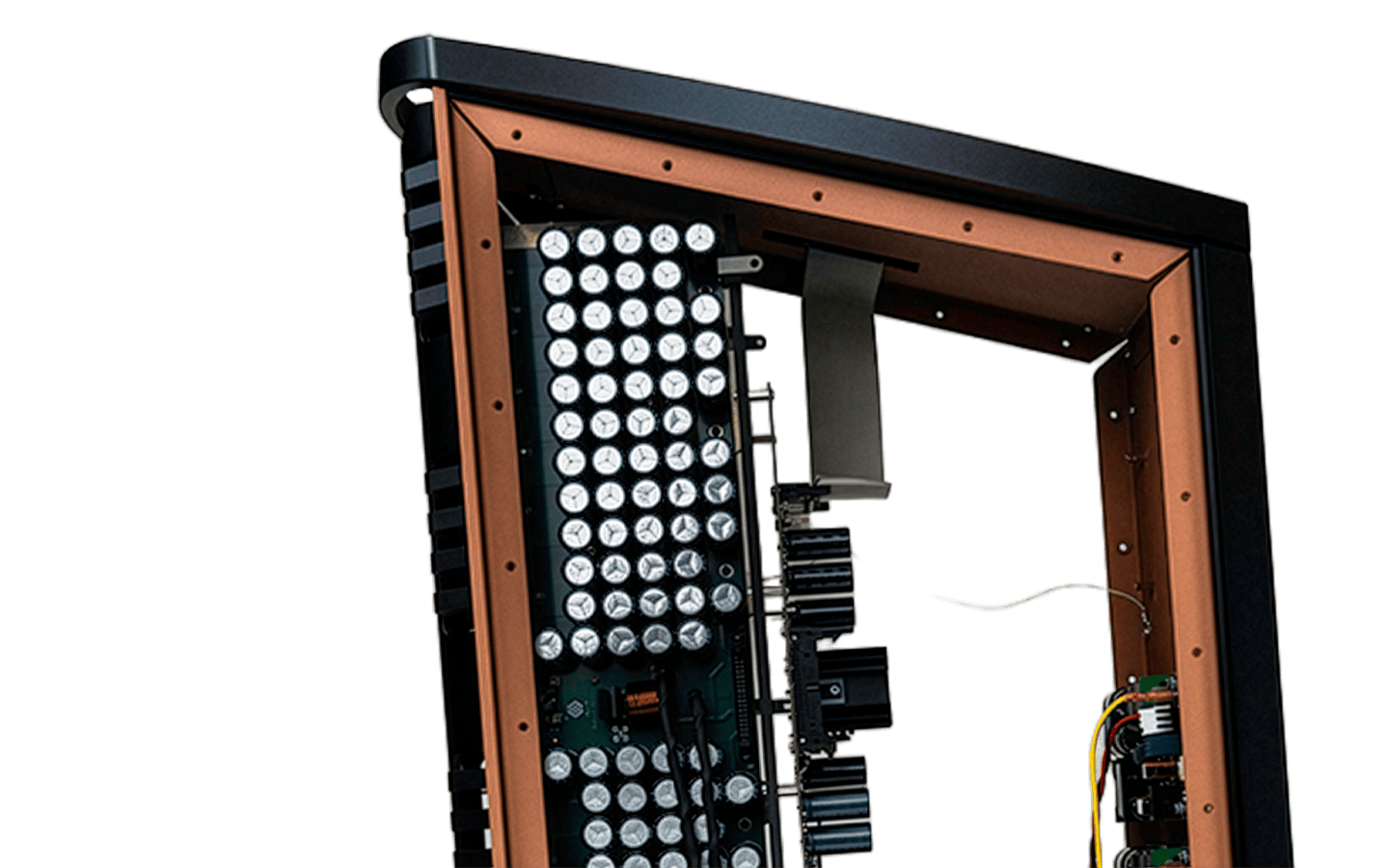
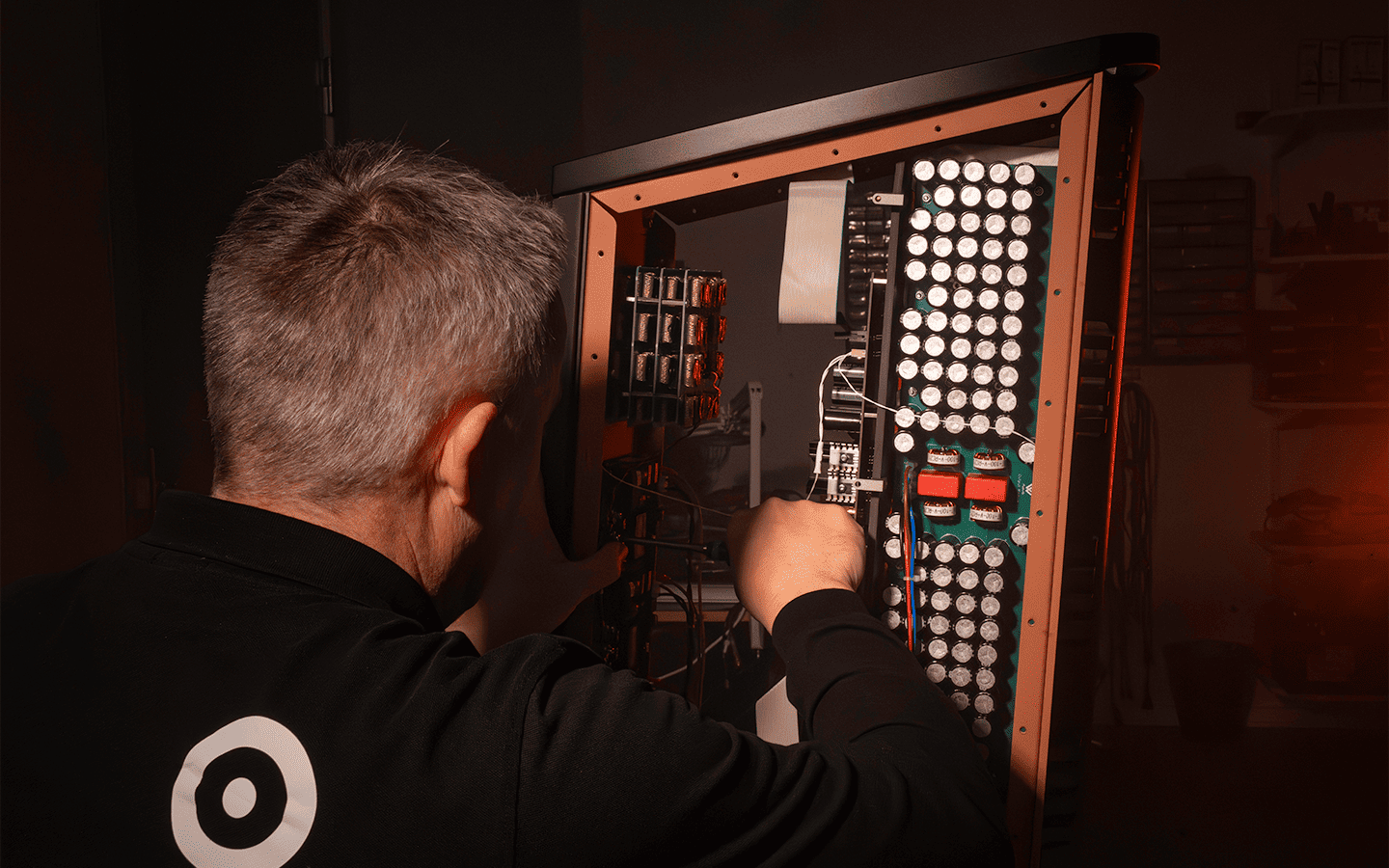
This breakthrough allows the use of smaller, locally placed capacitor banks. Each of the eight output transistor pairs is supported by its own dedicated local reservoir positioned immediately adjacent to the devices, minimizing current travel, shortening signal paths, and reducing noise.”
Output Power and Loudspeaker Control
Each Aavik M-880 mono amplifier delivers 400 W into 8 Ω, doubles its output to 800 W into 4 Ω, and provides approximately 1,300 W into 2 Ω. This extraordinary power capability is combined with an exceptionally low output impedance, resulting in a damping factor exceeding 1,000 W into 8 Ω loads.
Together, these attributes allow the M-880 to maintain absolute control over even the most demanding loudspeakers, regardless of impedance fluctuations or dynamic complexity.
Resonant-Mode Power Supply
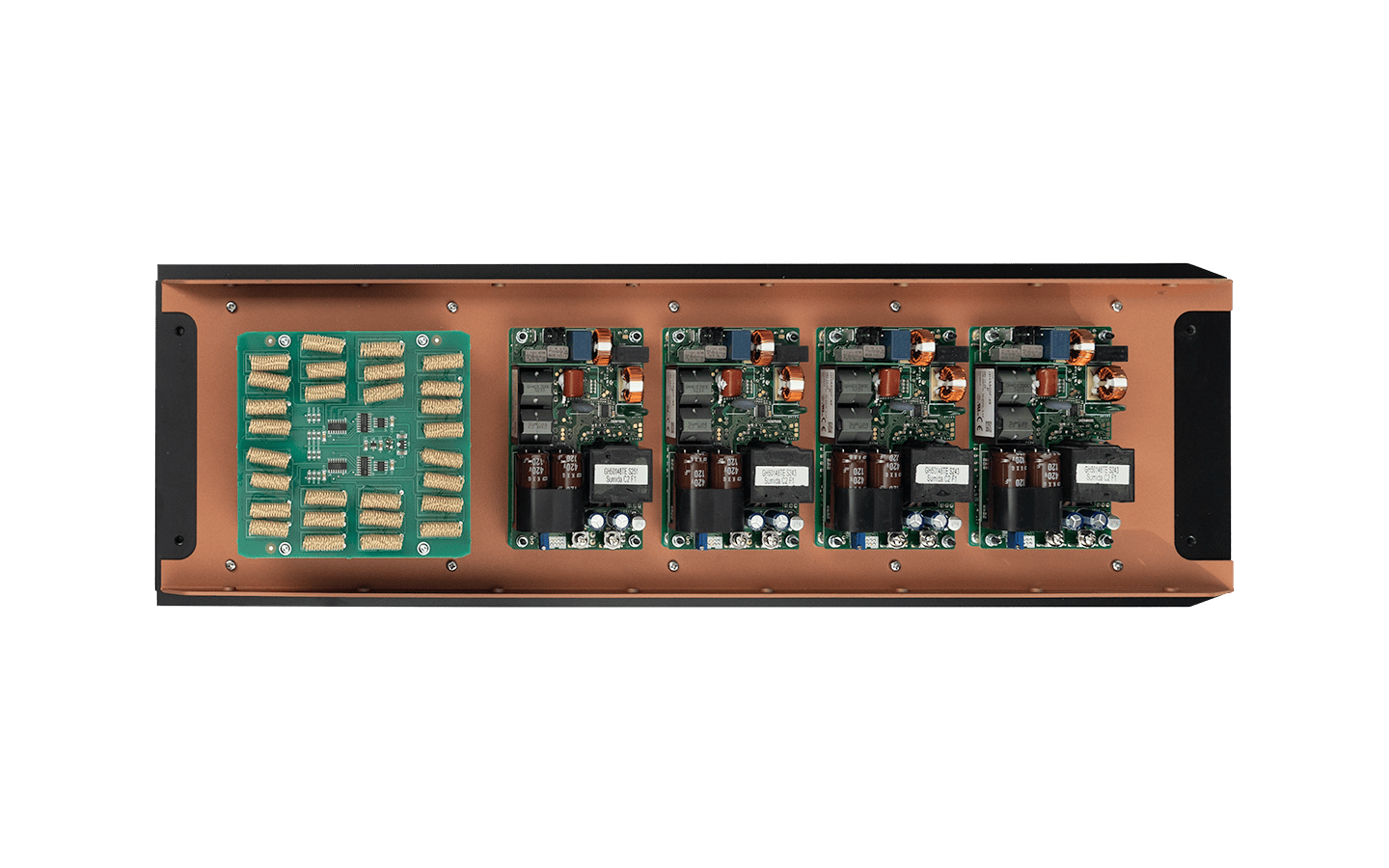
Although traditional linear power supplies are often considered ideal for audio, they can generate significant current transients when large capacitors draw energy from the transformer. To avoid this, the M-880 employs four high-speed, low-noise switching power supplies operating in power-factor-corrected resonant mode.
Unlike conventional switching supplies that generate square waves, resonant-mode supplies inherently produce sinusoidal waveforms, dramatically reducing noise. Each supply is rated at 500 W and 20 A and feeds a substantial local power bank totaling 266 mF, capable of storing up to 1,050 J of energy and delivering peak currents of up to 130 A.
As musical demand increases, the operating frequency of the supplies rises accordingly, increasing power density without introducing dynamic limitations. The result is unwavering current delivery, an exceptionally low noise floor, and complete freedom from power-related compression.
Noise Rejection
Noise—electrical, mechanical, or airborne—is the single greatest obstacle to musical realism. At Aavik, noise rejection is treated as a foundational design principle rather than a secondary consideration. Every circuit stage, power supply, enclosure element, and internal connection in the M-880 is engineered to minimize both noise generation and susceptibility to external interference.
To achieve this, the M-880 integrates a suite of proprietary Ansuz technologies directly into its circuitry, creating an environment in which critical signal paths can operate with maximum integrity and stability.
Active Tesla Coil Technology (ATC)
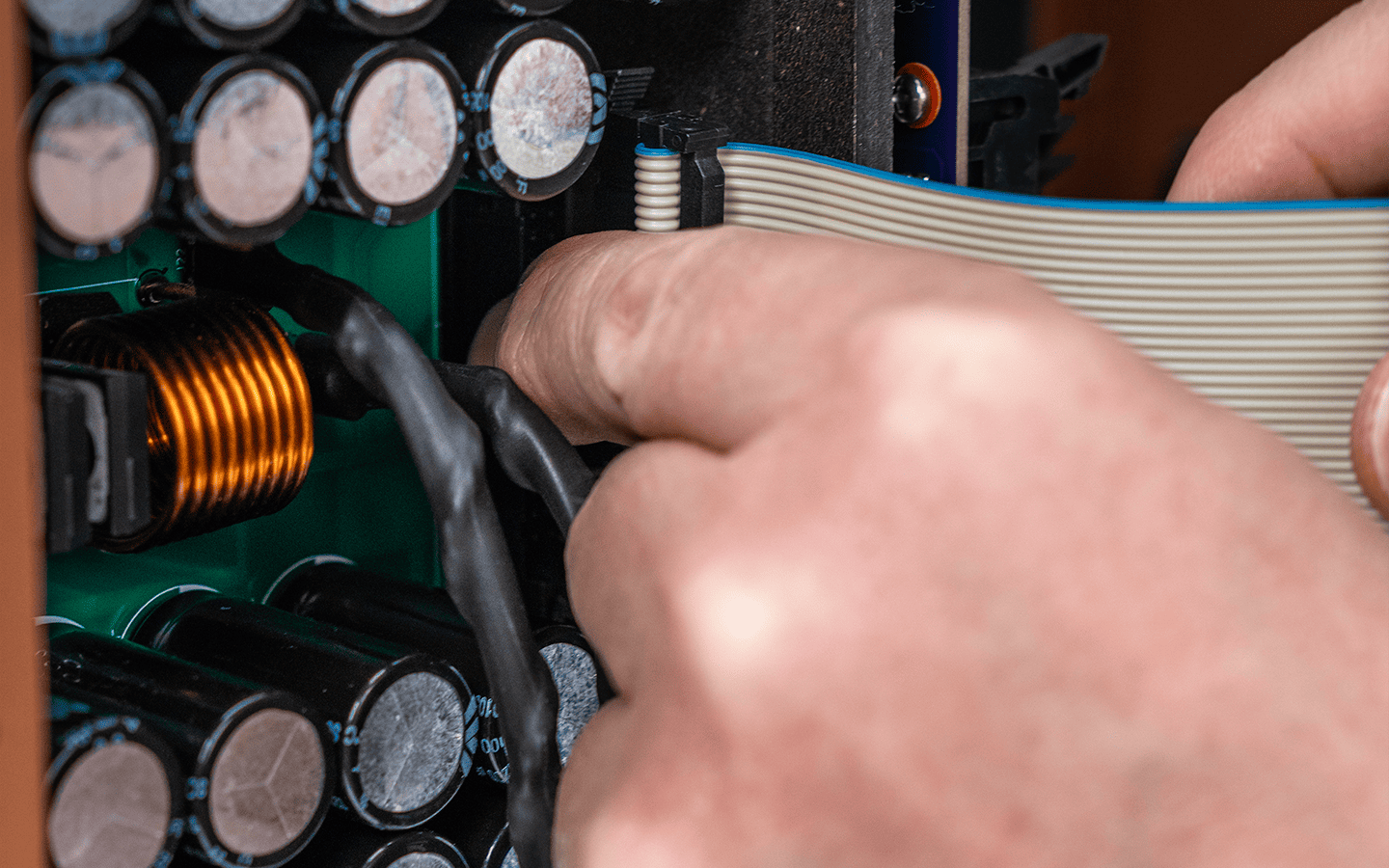
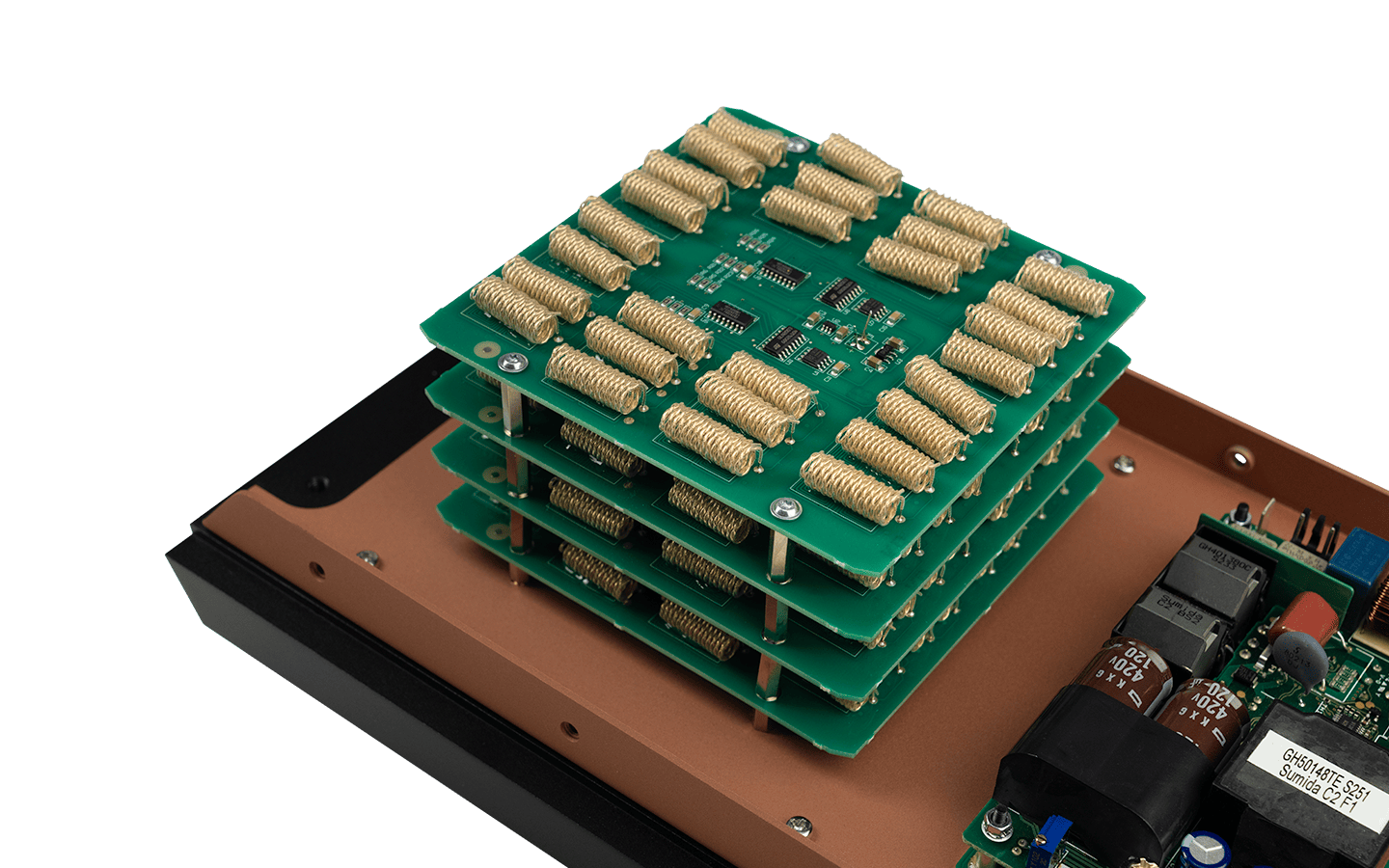
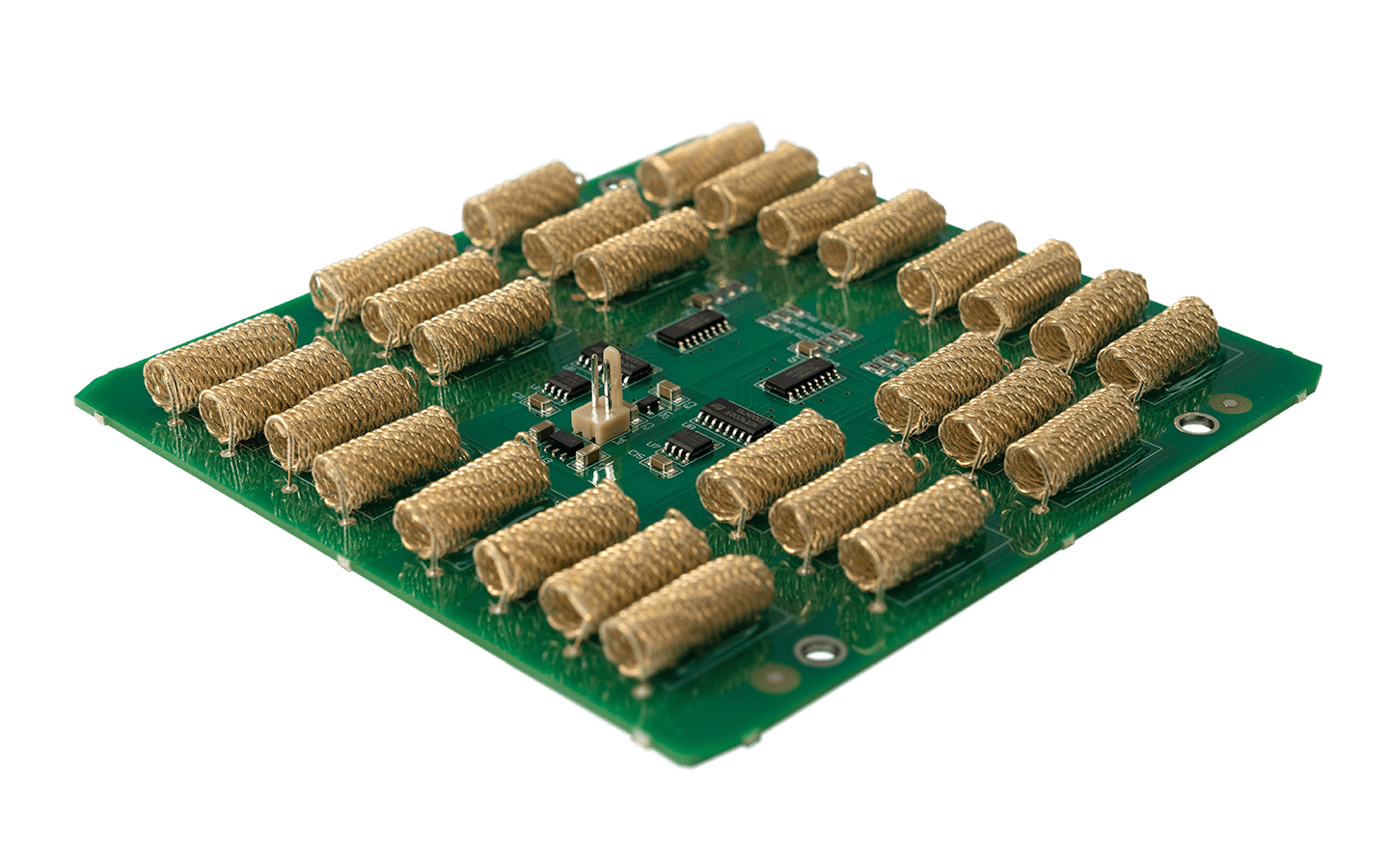
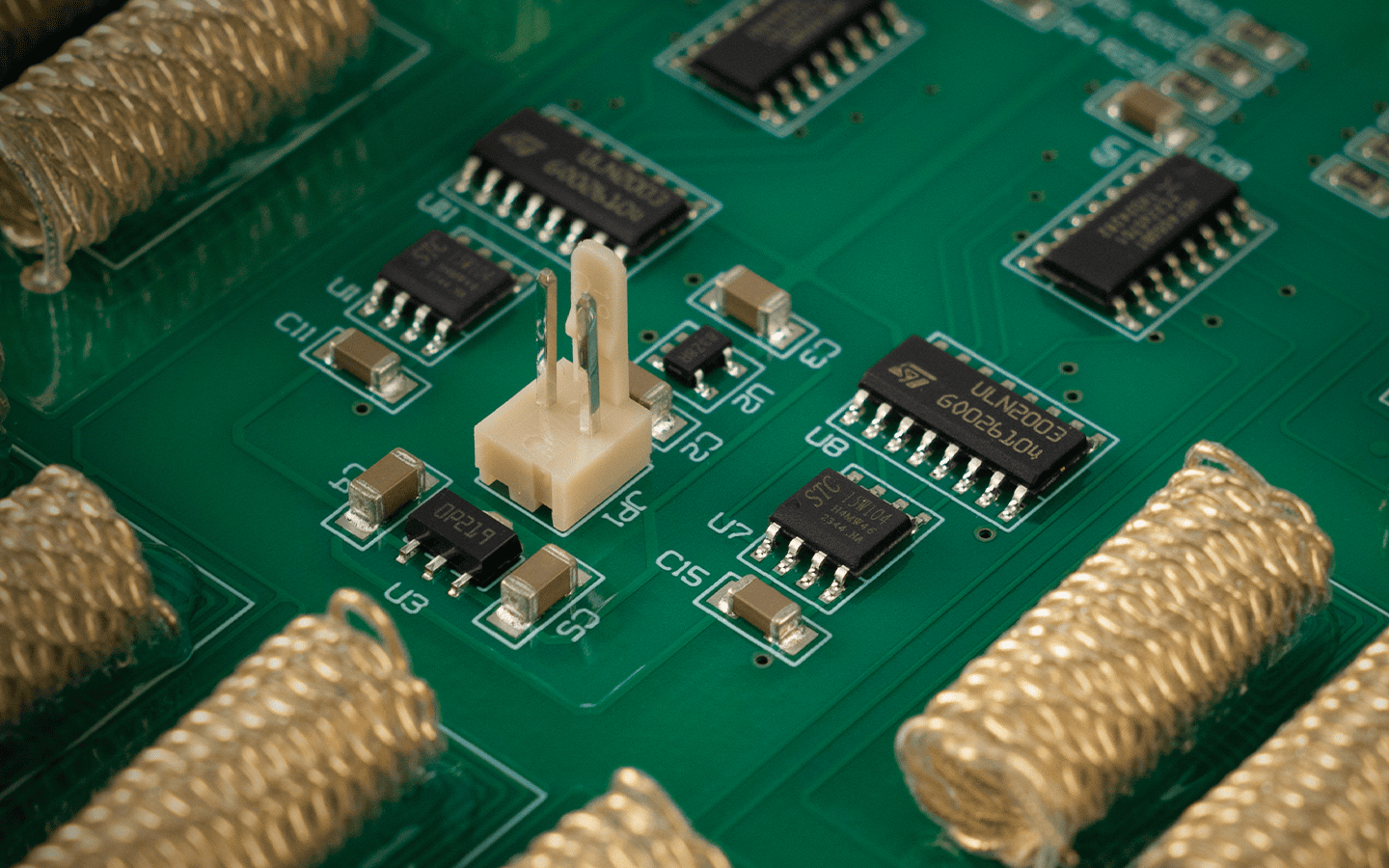
Active Tesla Coils operate using a double-inverted coil configuration that responds instantly to voltage spikes by generating counter-spikes, neutralizing noise in real time. Integrated directly into the circuit boards, ATC significantly reduces electrical interference and stabilizes the signal environment.
Compared to passive implementations, the active approach offers substantially higher noise suppression efficiency, resulting in improved clarity, lower perceived noise floor, and enhanced micro-detail retrieval.
Active Square Tesla Coils (AST)
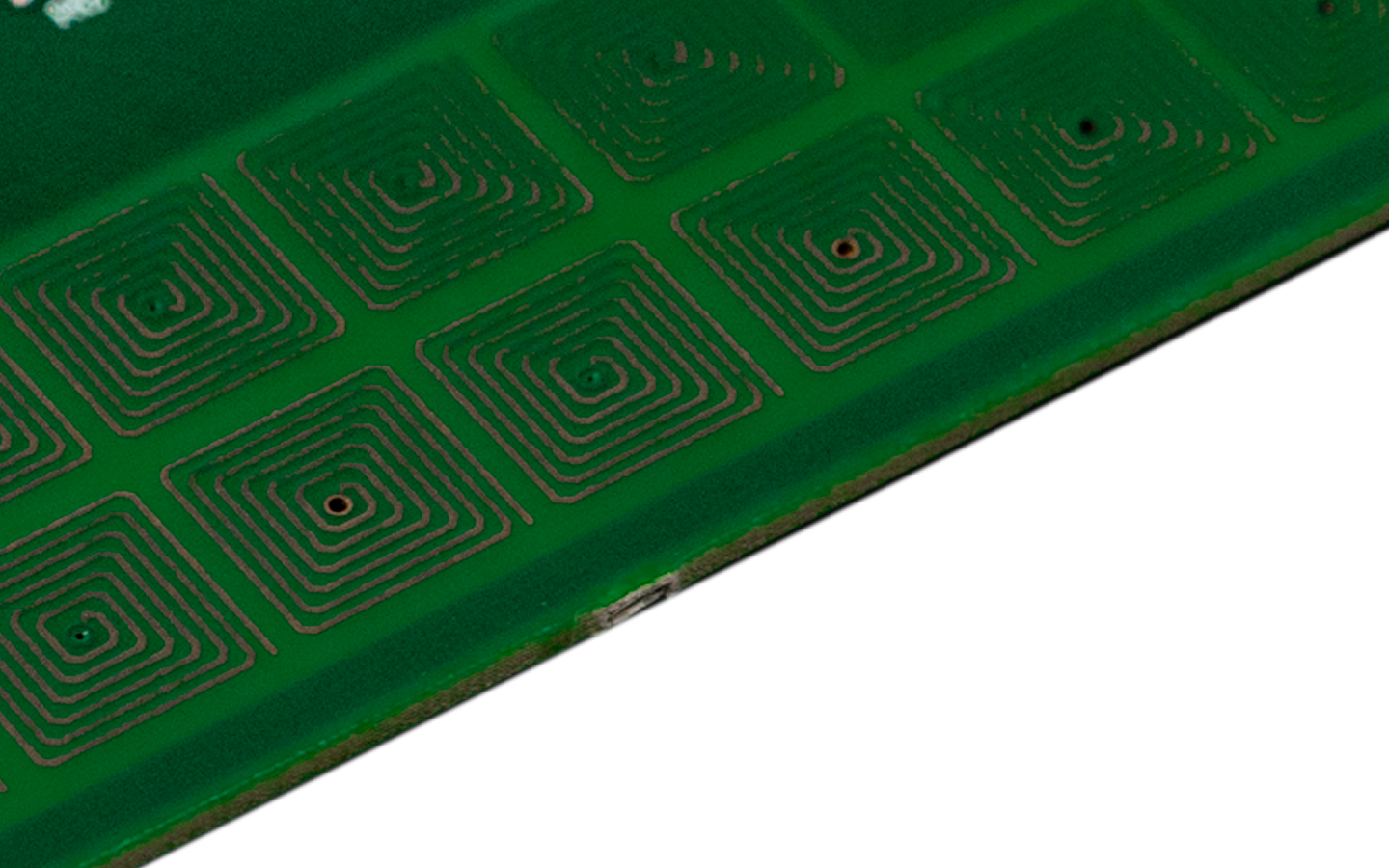
Active Square Tesla Coils apply the same fundamental principle as traditional Tesla Coils but use square, inward-spiraled coils etched directly onto circuit boards, with counter-coils positioned on the underside.
This compact architecture allows AST technology to be deployed extensively throughout the M-880 while maintaining exceptional efficiency. The result is highly effective suppression of voltage-borne noise without adding complexity or compromising circuit layout.
Analog Dither Technology (ADT)
Analog Dither Technology originates from radar systems, where it is used to enhance signal-to-noise ratio and resolution. In the M-880, active analog dither circuits emit precisely defined pulsating signals that both amplify the musical signal and suppress background noise.
Now in its third generation, ADT features highly optimized frequencies that further expand soundstage depth, sharpen spatial precision, and and reveal low-level detail—bringing listeners closer to the recorded performance.
Anti-Aerial Resonance Coil Technology (AARC)
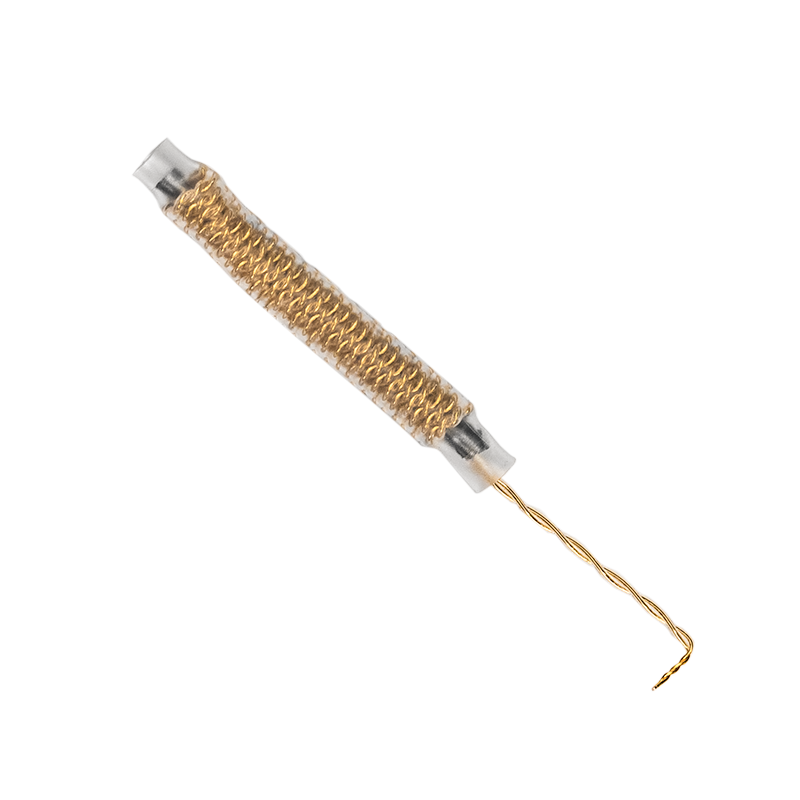
Cables and their shielding can behave as unintended antennas, picking up airborne RF noise that degrades tonal purity and clarity. AARC technology counteracts this by capturing RF noise in one coil and canceling it with a corresponding counter-coil.
In addition, AARC divides effective cable length into undefined, non-resonant segments, making it far less susceptible to RF absorption. This prevents airborne noise from contaminating sensitive signal paths and preserves the natural tonal balance of the music.
Advanced Cabinet Construction
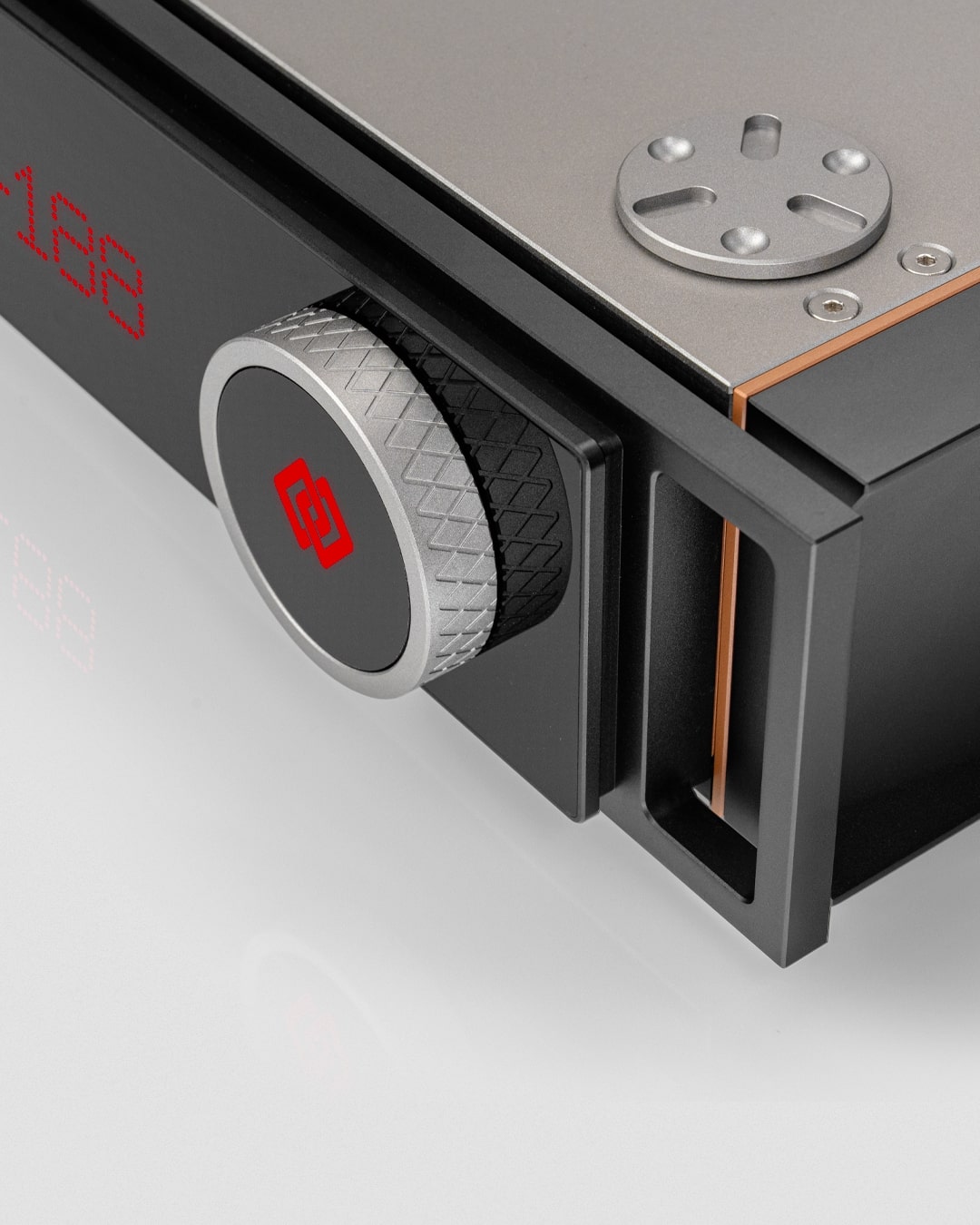
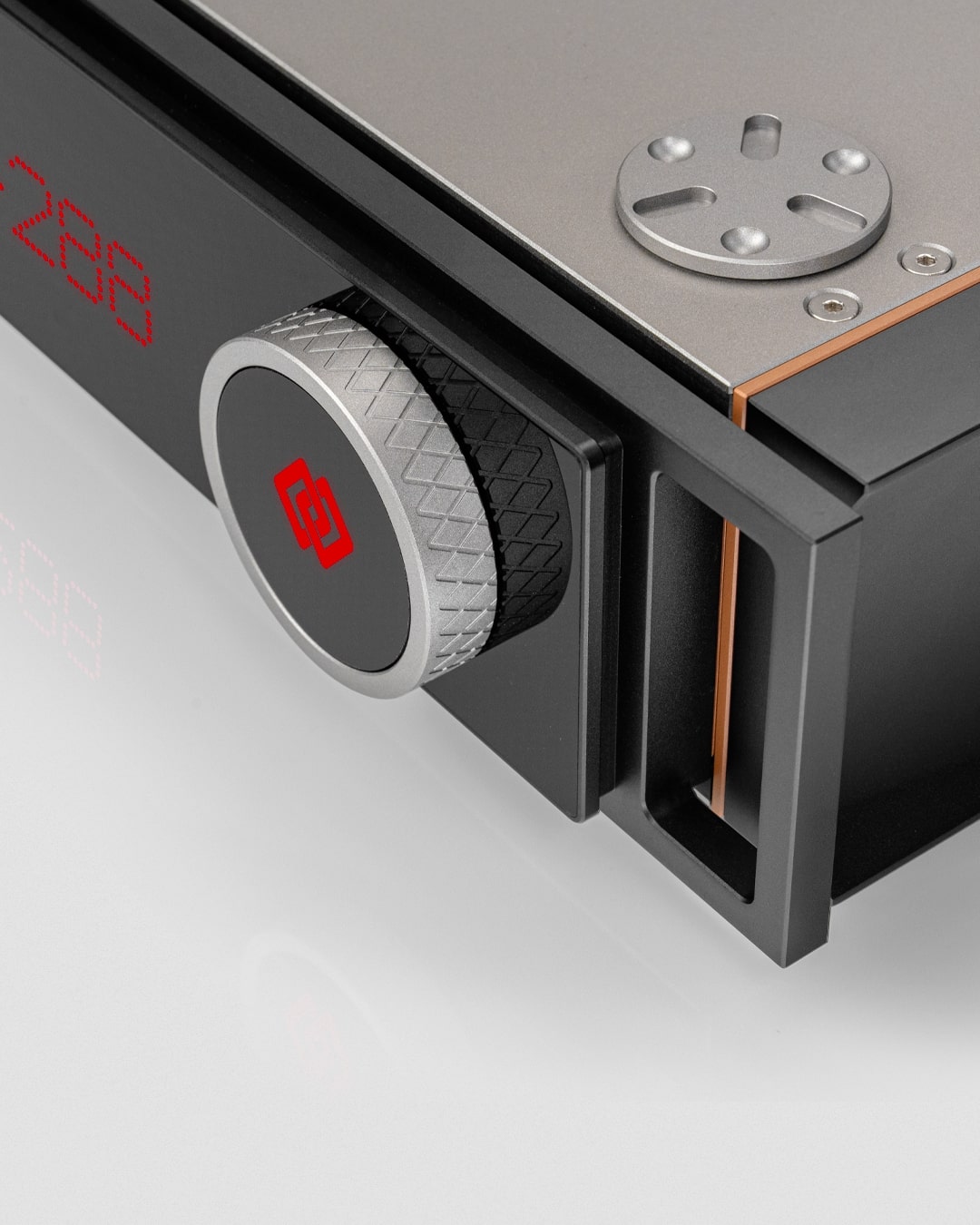
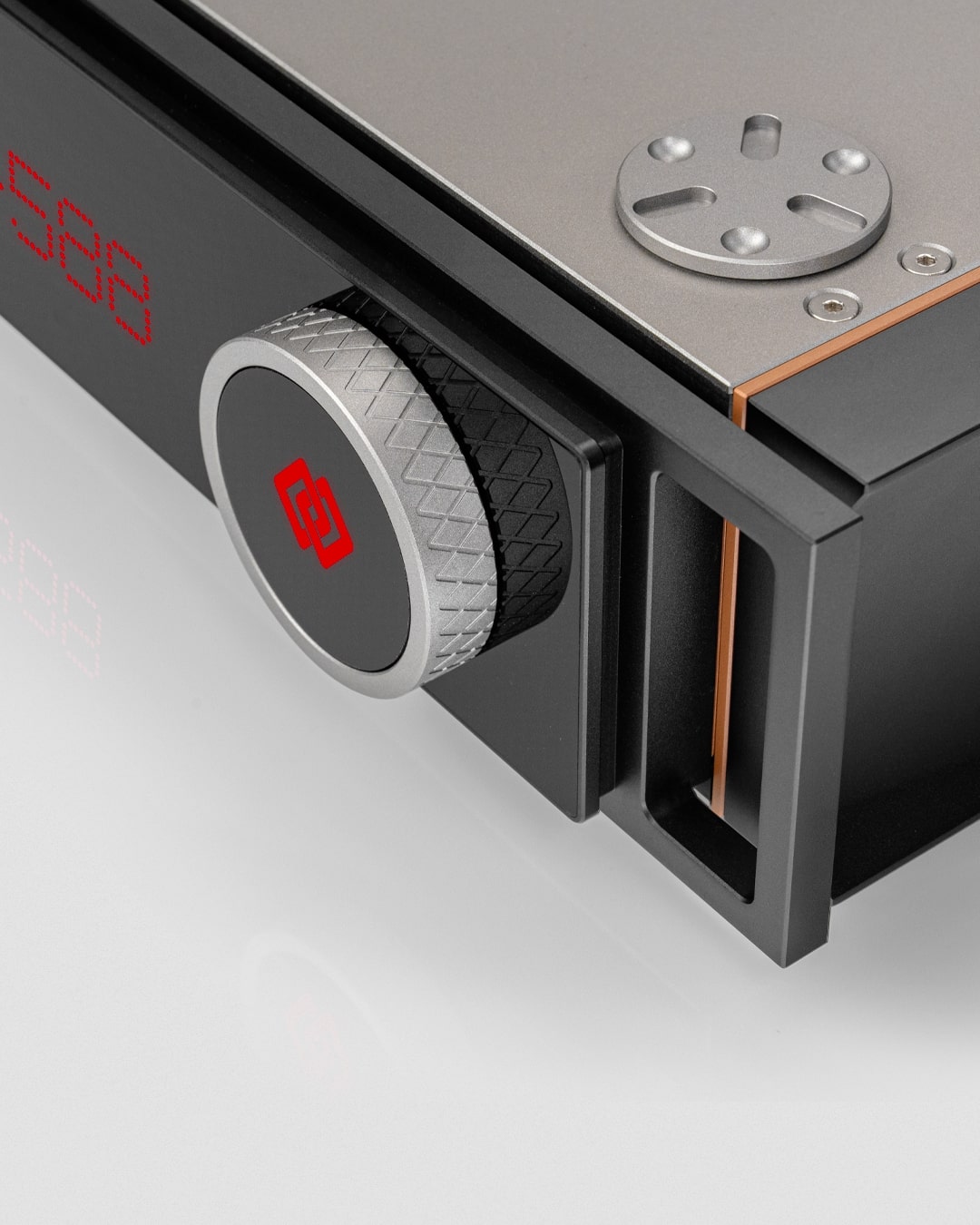
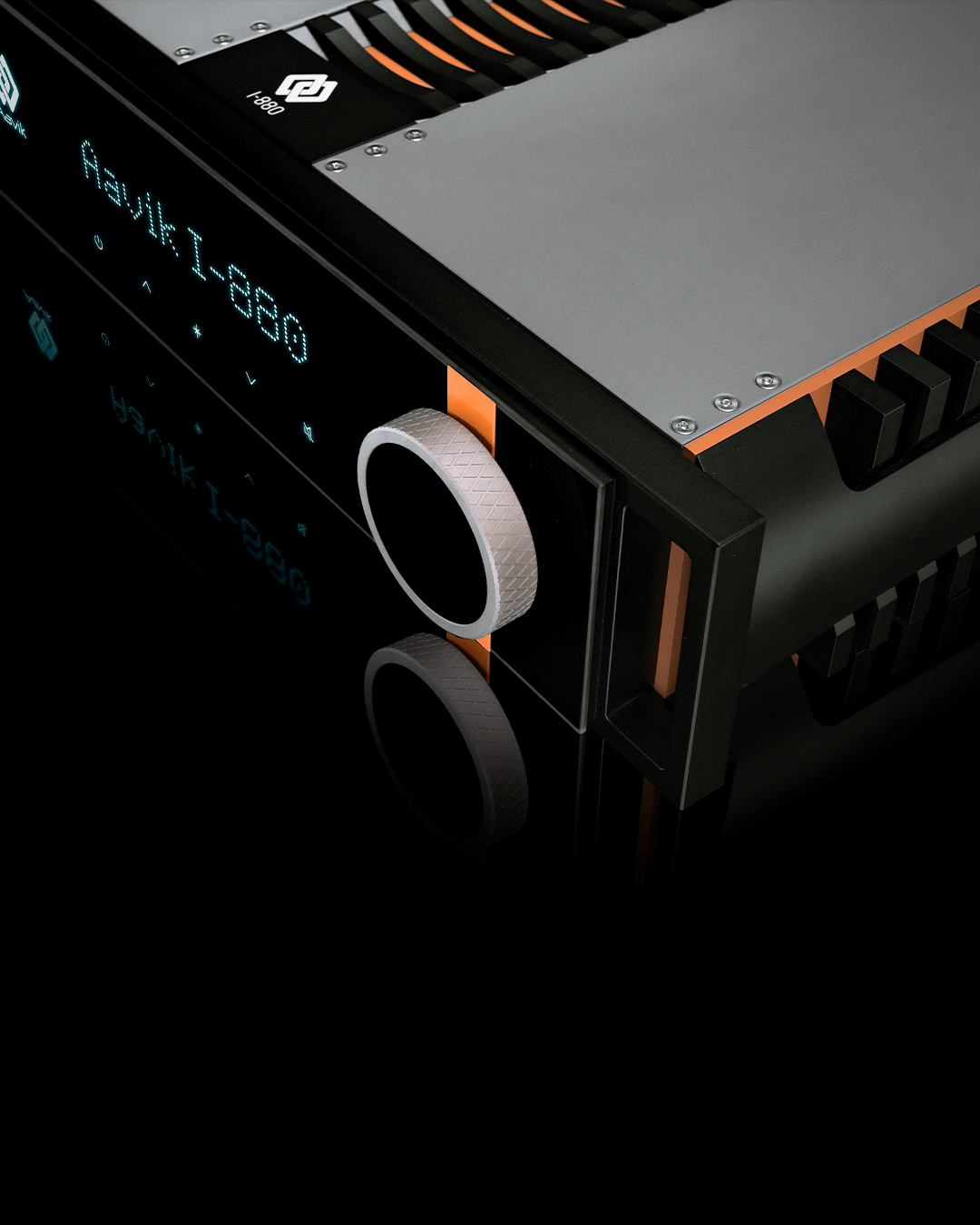
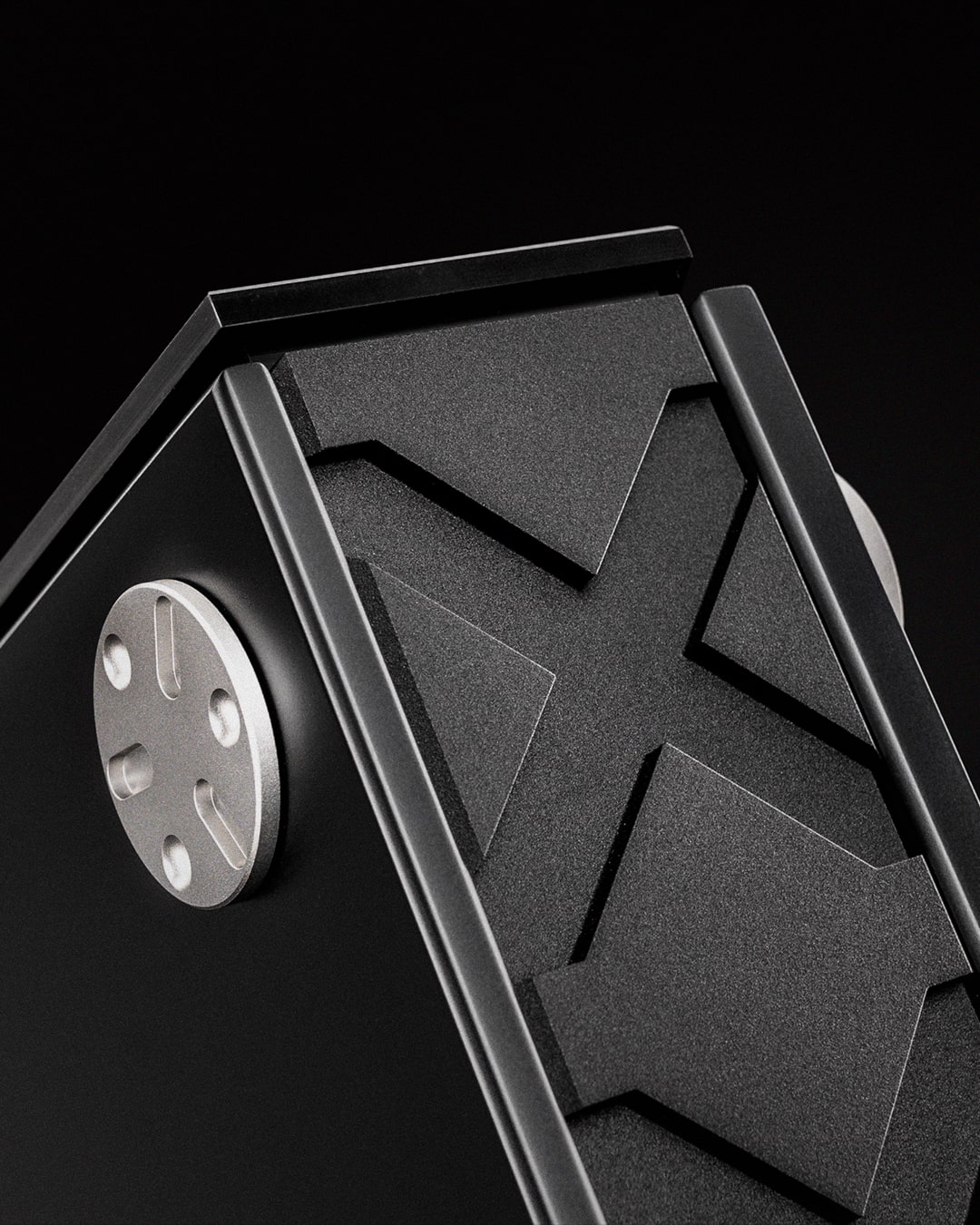
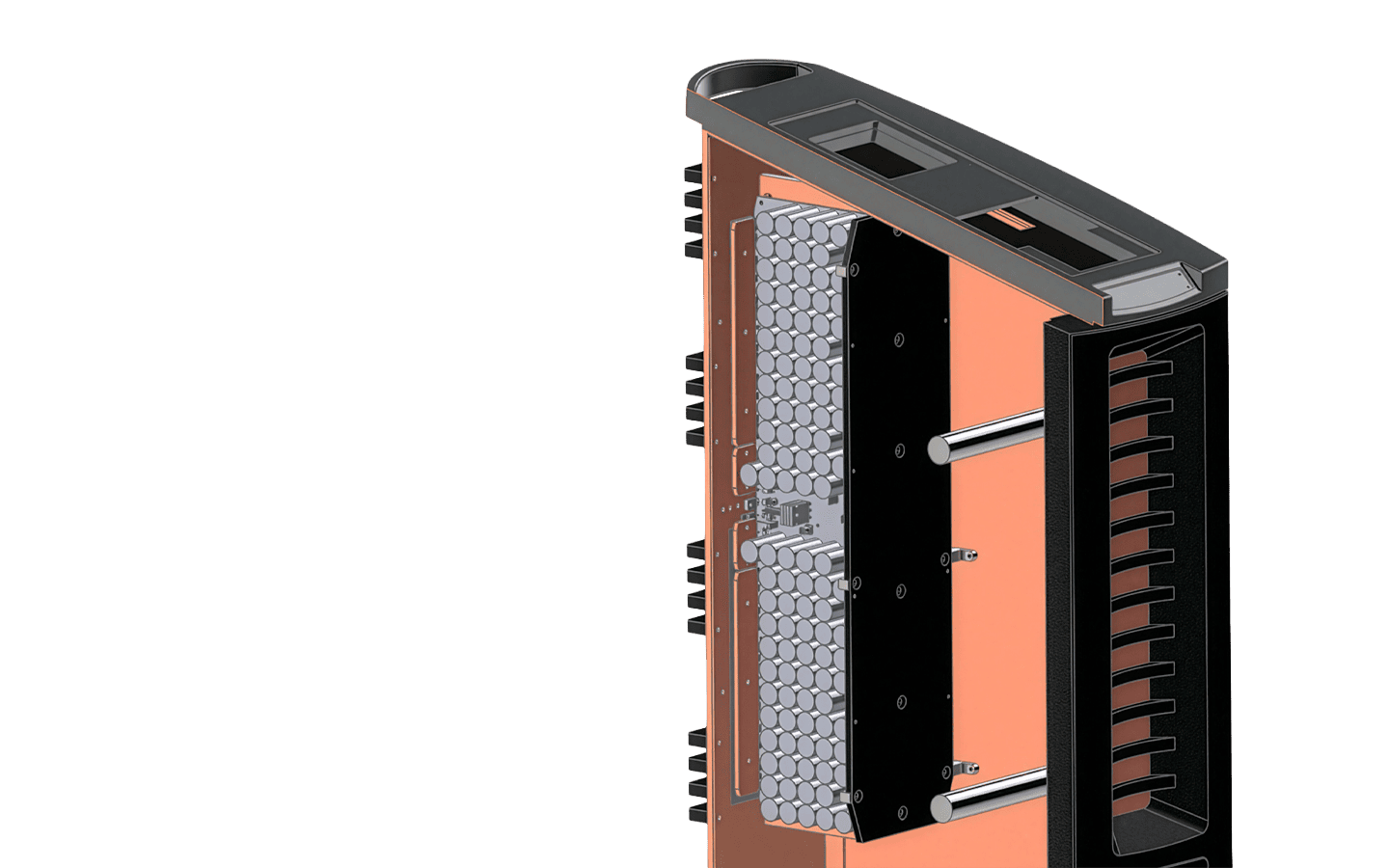
The exterior of the M-880 reflects Flemming Erik Rasmussen’s unmistakable design language, yet every aspect of the enclosure exists to serve a functional purpose. The cabinet is engineered to minimize inductance, reduce hysteresis, and provide precise control over mechanical resonance.
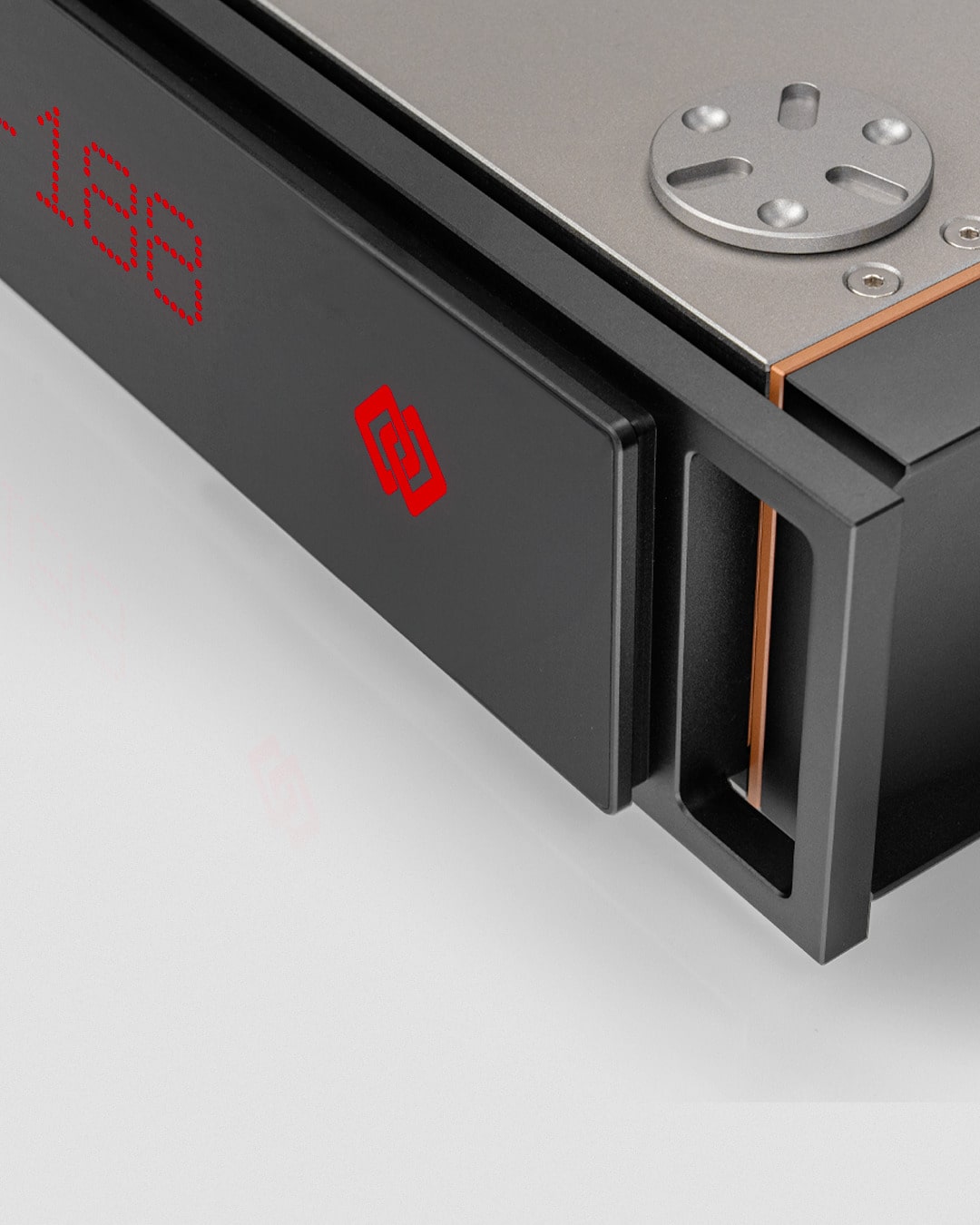
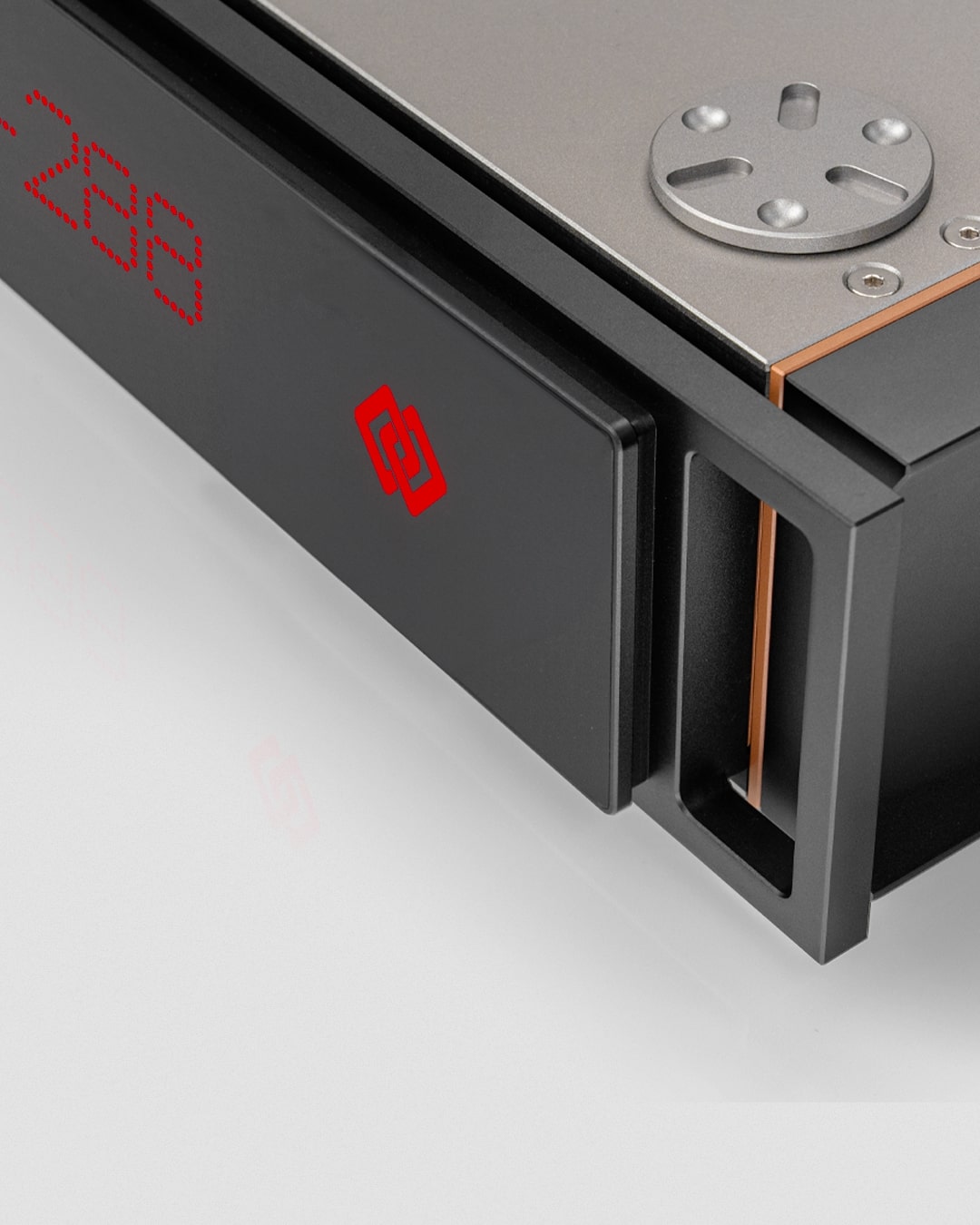
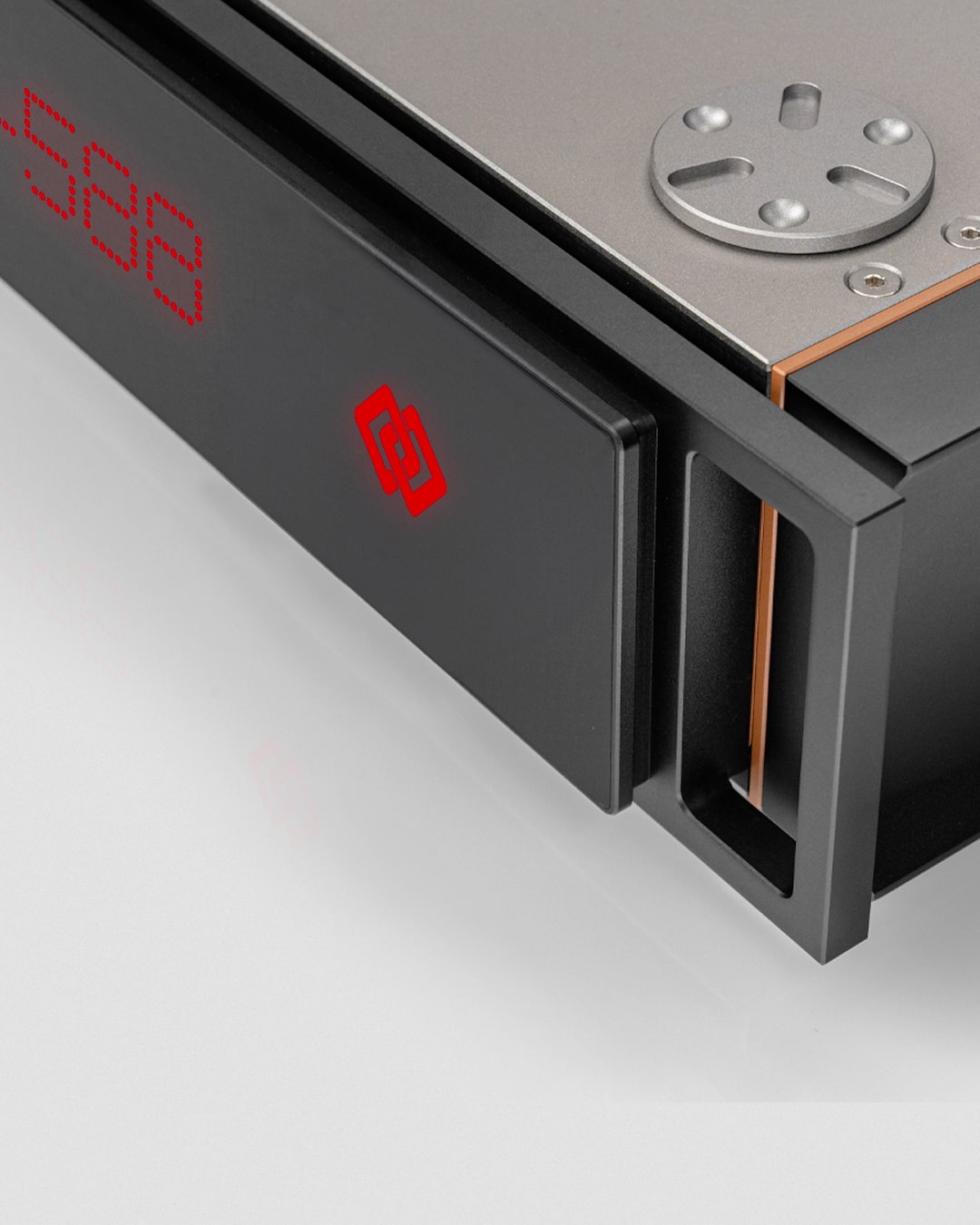
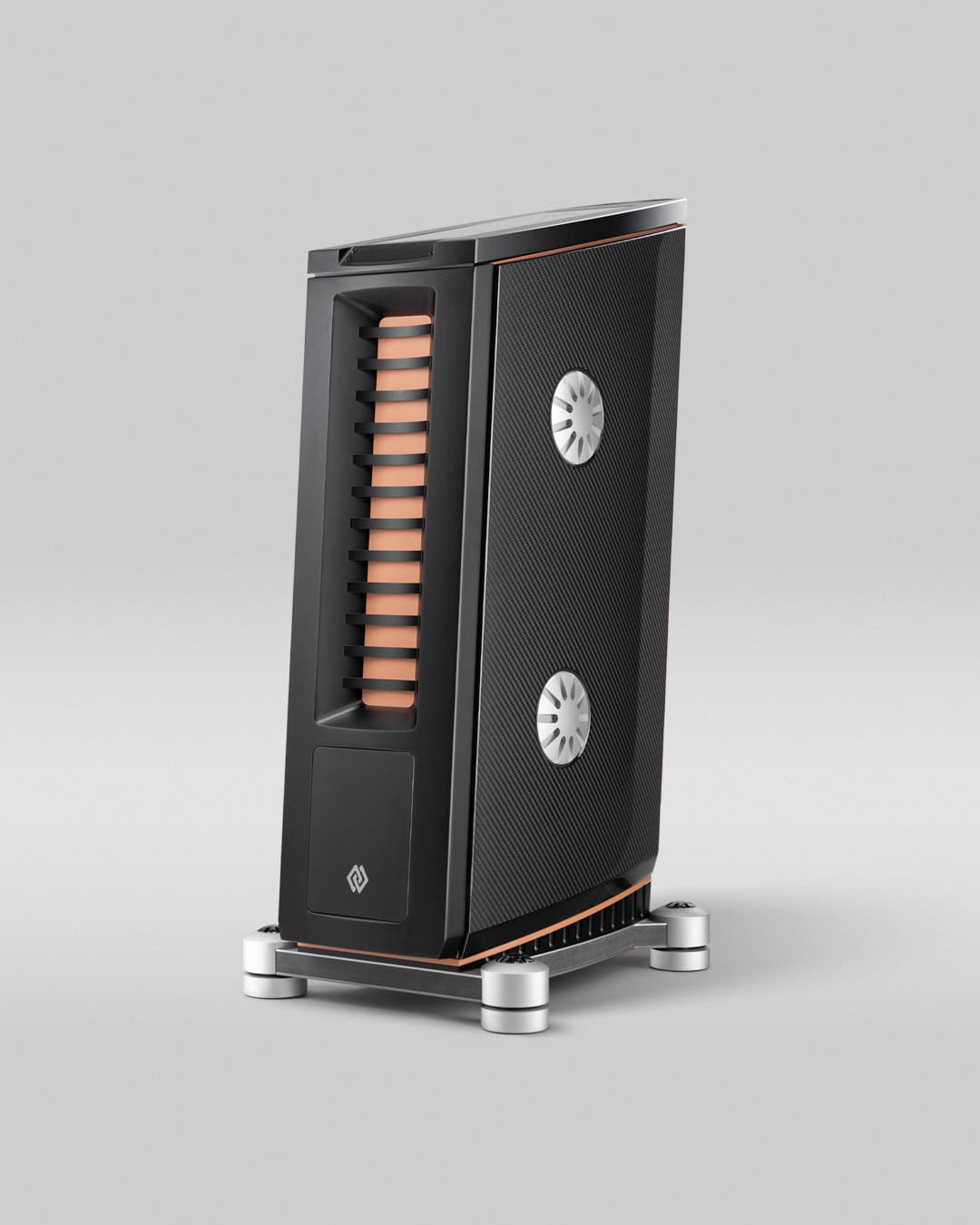
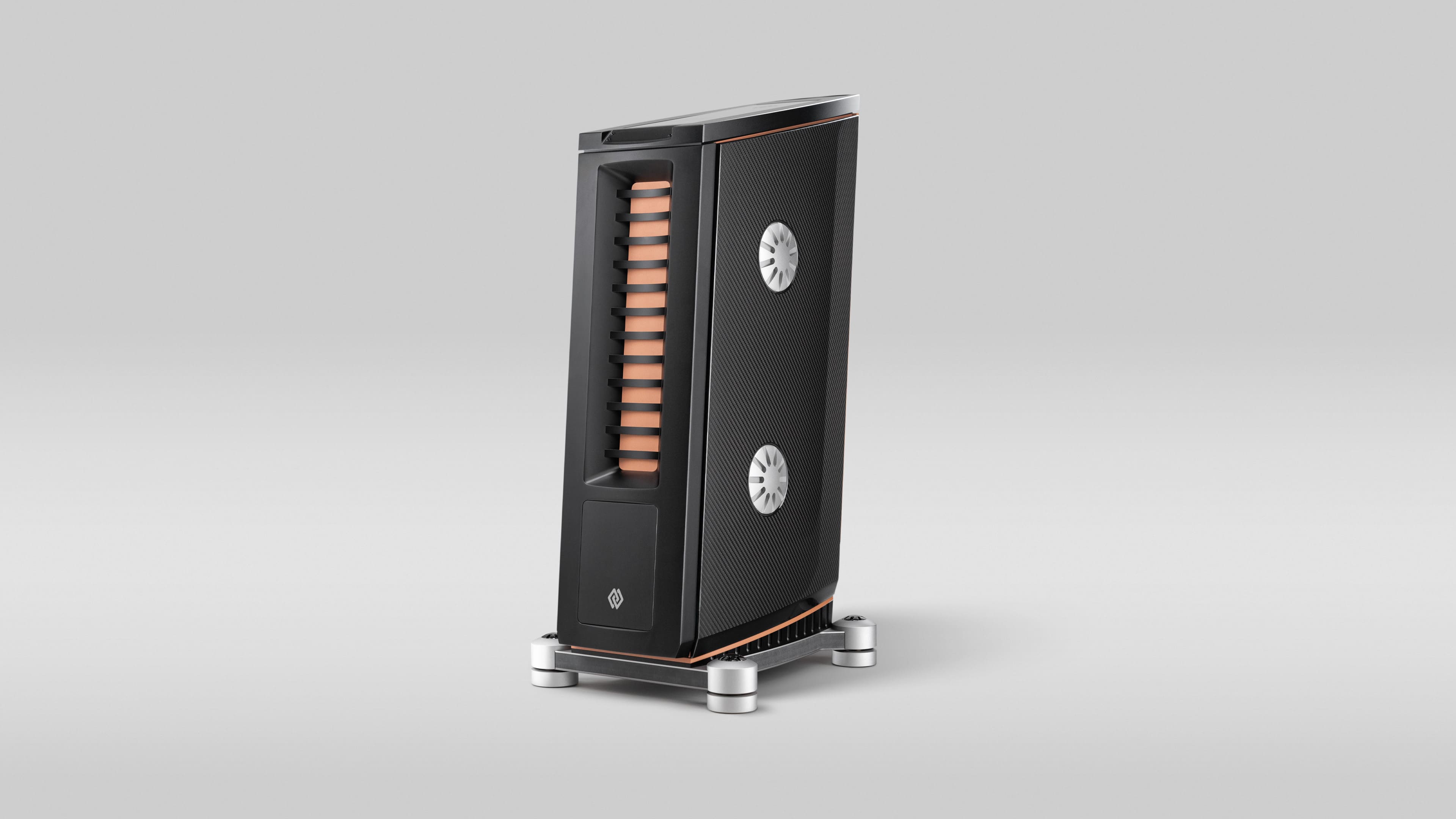
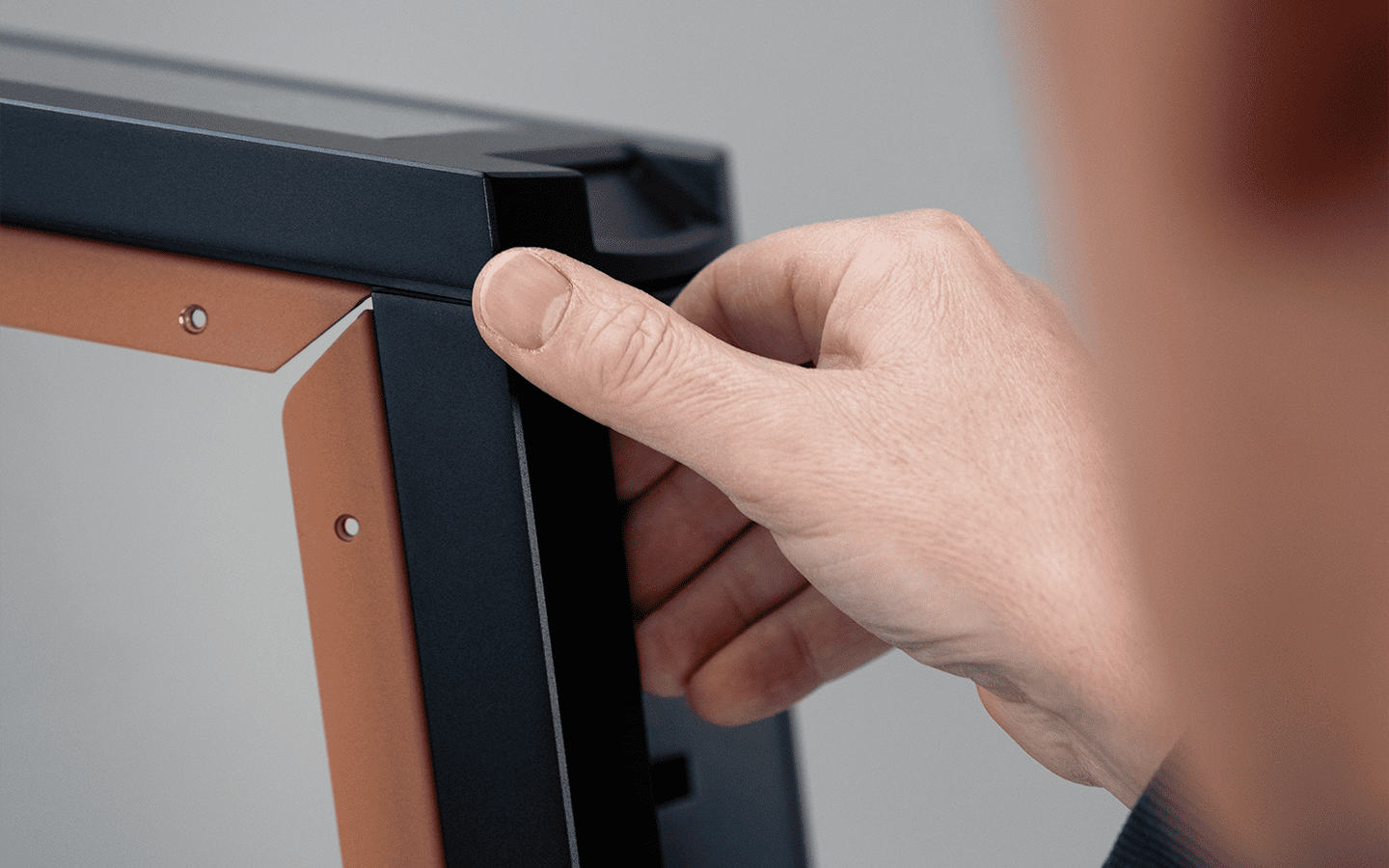
The M-880 features a base constructed from a thick, wood-based laminate sandwiched between stainless steel plates, topped by a gently sloped profiling element and an upper copper layer that supports the main enclosure. This multi-layer structure enhances resonance control and contributes directly to improved sound quality.
Inside, the M-880’s fully copper internal chamber serves as an exceptionally effective EMI/RFI shield, protecting against airborne interference while isolating sensitive internal components from the external enclosure to preserve audio fidelity.
Mechanical Grounding
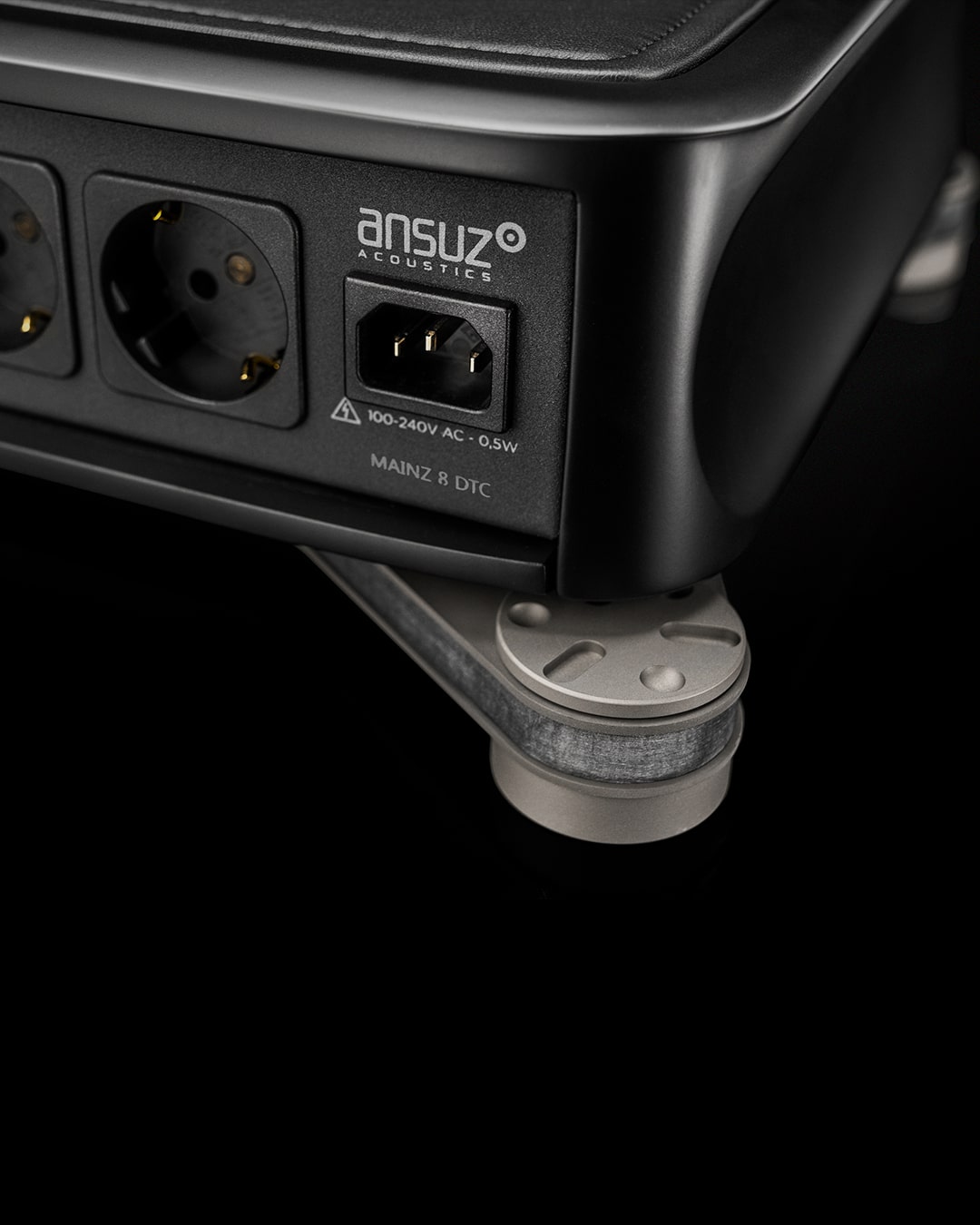
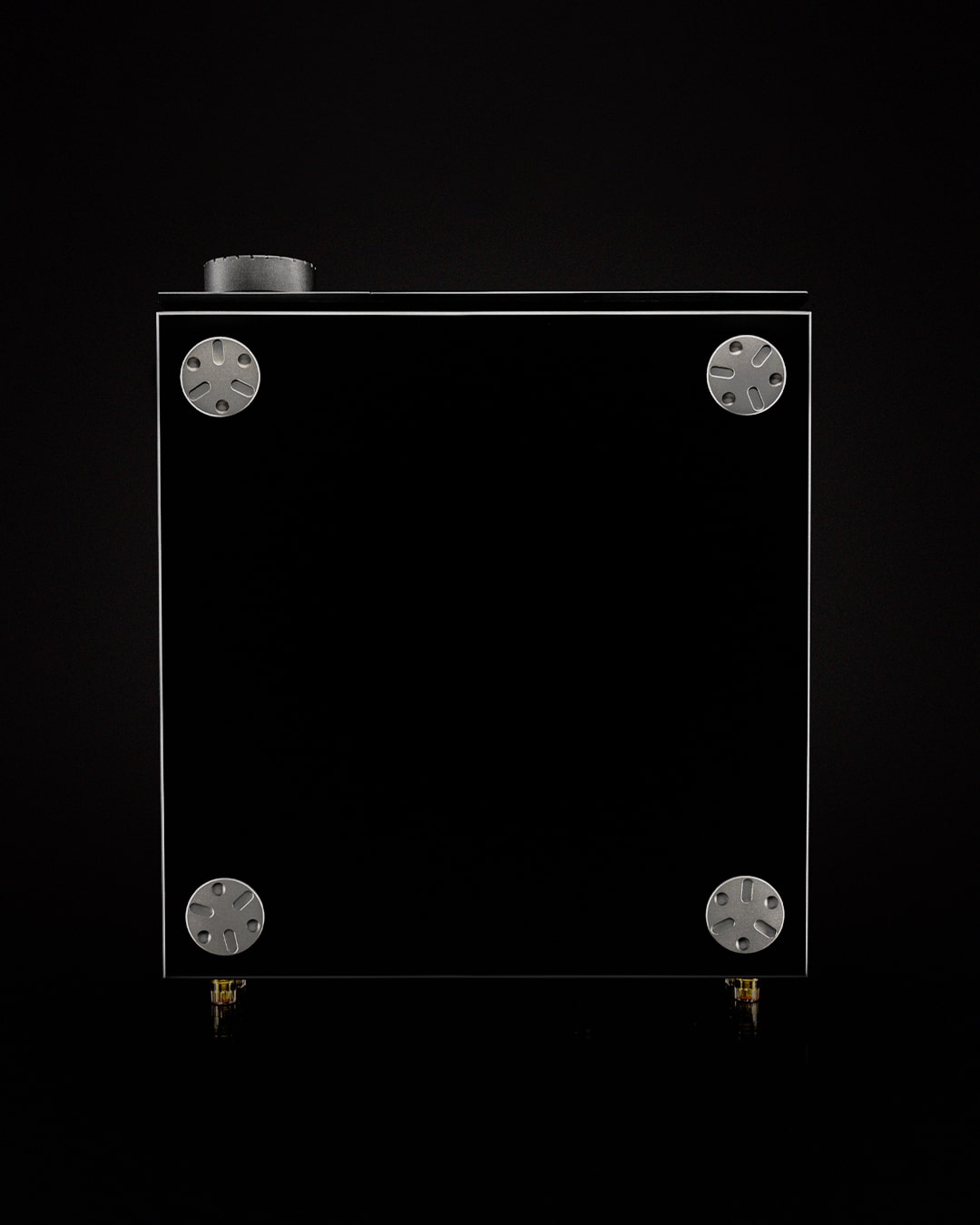
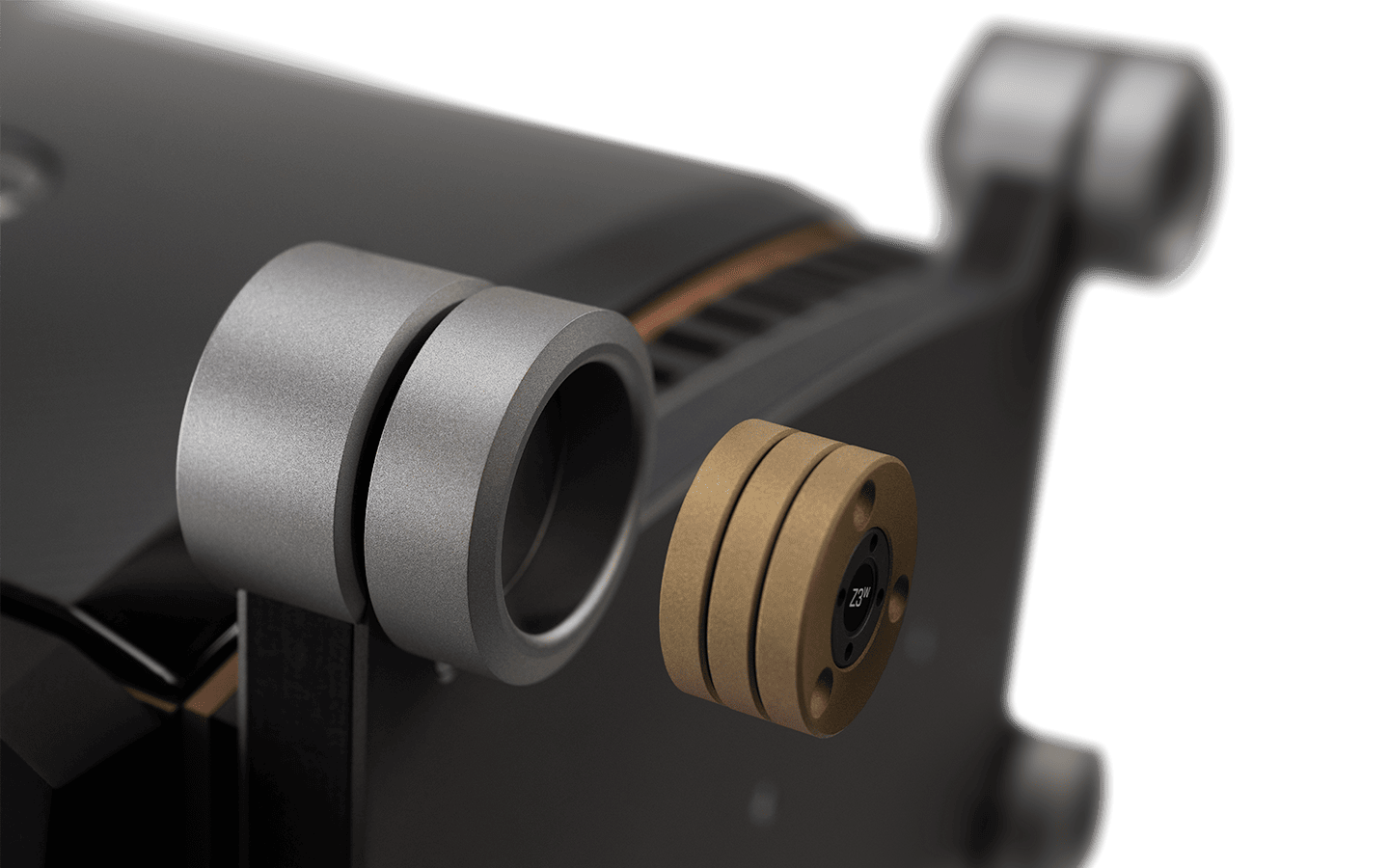
Mechanically transmitted vibrations can compromise electronic performance in ways that circuit design alone cannot address. To prevent this, each M-880 mono amplifier is supplied with four Ansuz Darkz Z3W resonance control devices.
These devices use ball bearings positioned between extremely hard zirconium discs to block floor-borne vibrations while providing a controlled path for internally generated energy to dissipate. The result is greater clarity, improved bass definition, and a more stable and relaxed soundstage.
Meticulous Quality Control
Every Aavik M-880 is hand-assembled at the Aalborg facility and inspected, tested, and measured at every stage of production. Each unit is compared directly to a reference model to ensure absolute consistency.
Final approval is determined not only by measurement but by listening. Every amplifier must deliver sound that is experienced as music—dynamic, emotionally engaging, and faithful to the original performance—before it leaves the factory.
Made in Denmark
The Aavik M-880 is designed and assembled in Denmark at Audio Group Denmark’s continuously evolving Aalborg facility. Advanced manufacturing technologies—including cryogenic processing, CNC milling, precision metalworking, and specialized assembly lines—support uncompromising build quality.
By combining in-house expertise with carefully selected specialist partners, Aavik remains focused on what matters most: creating reference-level amplification in service of the music.
Read more
Close
Read more
Close
Weight u0026 Dimensions
Dimensions (mm) Height: 794.02 mm | Width: 342.00 mm | Depth: 509.68 mm
Dimensions (inches) Height: 31.26 in | Width: 13.46 in | Depth: 20.07 in
Weight 70.0 kg / 154.3 lbs
Specifications
Output power 1 × 400 W @ 8 Ohm | 1 × 800 W @ 4 Ohm
Distortion (THD) < 0.007% (10 W, 1 kHz, 8 Ohm)
Noise Reduction Active Gold Tesla Coils: 112 | Active Square Tesla Coils: 112 | Dither Circuitry: 8 | Gold Anti-Aerial Resonance Coils: 12
Standby < 0.5 W | Idle: 150 W
More about the speaker
Close
Find Dealer
Where to buy our products around the world.
